


Cuba’s streets pulse with classic American cars, son cubano melodies drift from open doorways, and the rich scent of tobacco hangs in the tropical air. When you visit this Caribbean island, you’ll want to bring home more than memories. But here’s the challenge: which souvenirs are actually authentic, what do they cost in real money, and can you legally carry them across international borders?
Cuban cigars carry the island’s legendary reputation worldwide
Walk into any Cuban cigar shop and you’ll face walls of cedar boxes, each containing perfectly rolled puros that represent centuries of tradition. Cigars are Cuba’s most famous export, but they’re also the most counterfeited souvenir on the island. Street vendors approach tourists daily with “authentic” Cohibas at suspiciously low prices – these are 99% fake or mislabeled inferior products. You need to know exactly what to look for and where to shop.
Spotting authentic Habanos separates smart buyers from scam victims
Real Cuban cigars carry specific authentication markers that counterfeiters struggle to replicate perfectly. The D.O.P. (Protected Designation of Origin) seal has protected 27 official Habanos brands since 1994, similar to how Champagne protects French sparkling wine. Every legitimate box displays a Cuban National Warranty Seal – a holographic sticker with intricate details that changes appearance when tilted. Premium boxes now include NFC technology you can verify with a smartphone app.
The box itself shows a three-letter factory code, production date code, and “Hecho en Cuba Totalmente a Mano” (Made in Cuba Totally by Hand) stamp for long-filler cigars. Inside, bands should have sharp printing with no color bleeding, and Cohiba’s distinctive gold band shows a precise head-within-head logo that fakes consistently get wrong.
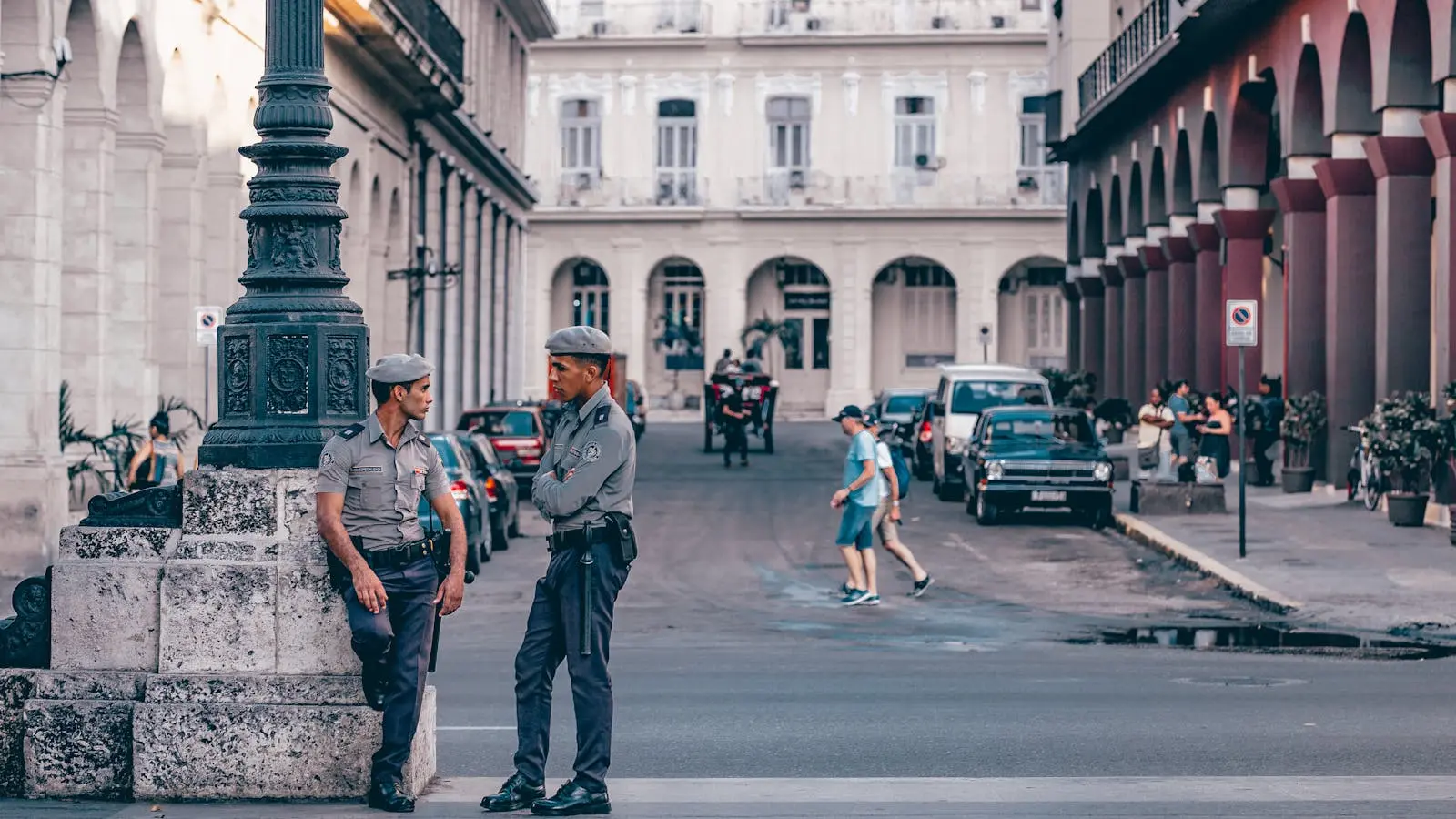
Photo by Yuting Gao
Buy exclusively from La Casa del Habano official shops or government-run stores like ARTEX. Never purchase from street vendors, taxi drivers, or anyone approaching you with a “friend who works at the factory” story. That $60 box of Cohibas offered on the street would cost $350+ in official stores – the price difference alone signals a counterfeit.
Current prices reflect modest increases for 2026
Cuban cigar prices increased approximately 5% for 2025-2026, a more moderate jump than previous years’ aggressive pricing. Here’s what you’ll actually pay at official retailers:
| Brand & Vitola | EUR Price | USD Price | Notes |
|---|---|---|---|
| Cohiba Siglo I | €31 | $35 | Beginner-friendly, 40-45 min smoke |
| Cohiba Lancero | €92 | $103 | Premium, experienced smokers |
| Montecristo No.4 | €11 | $12 | Best value, most popular |
| Montecristo No.2 | €25 | $28 | Torpedo shape, medium-full |
| H. Upmann Magnum 50 | €22.40 | $25 | Smooth, balanced flavor |
| Romeo y Julieta Churchill | €18 | $20 | Classic Churchill size |
Boxes contain 10-25 cigars depending on size, multiplying these per-cigar prices accordingly. A box of 25 Montecristo No.4s costs approximately $300-325 USD.
Practical tip: If you’re new to Cuban cigars, start with Montecristo No.4 – it offers the best quality-to-price ratio and won’t overwhelm beginners with strength. Buy a single stick ($12) from La Casa del Habano, smoke it at their lounge, and only invest in a box if you genuinely enjoy it. Many tourists waste $200+ on boxes of cigars they later find too strong or slow-burning for their preference. Sales staff work on commission and may push premium brands, so trust your own taste test first.
Legal export limits vary dramatically by destination country
This is critical: US citizens and residents cannot legally import Cuban cigars or rum into the United States as of September 2020 when previous allowances were revoked. You can smoke them in Cuba, but customs will confiscate any found in your luggage upon US entry, and you may face fines. Most other countries allow 50 cigars duty-free (some permit up to 200 with duty payment). Always keep your official store receipts – customs officers may request proof of legal purchase. Unsealed boxes or loose cigars without paperwork raise red flags and may be confiscated even in countries where Cuban products are legal.
Aged rum bottles capture centuries of Caribbean distilling tradition
Cuban rum sits on shelves from Moscow to Melbourne, but bottles purchased directly from the island carry authenticity and price advantages you won’t find elsewhere. The island’s distilling tradition dates to the 1860s when Don Facundo Bacardi first aged rum in white oak barrels, creating the smooth golden spirit Cuba became famous for. Today, government-controlled production ensures consistent quality, though knowing which bottles offer the best value requires insider knowledge.
Choosing between Havana Club’s fame and Santiago’s local preference
Havana Club dominates international recognition, but Cubans themselves often prefer Santiago de Cuba rum for its richer, more complex flavor profile. Havana Club 3 Year ($19-28 USD) works perfectly for mojitos and daiquiris – this is what bartenders across Havana pour. Havana Club 7 Year ($28-56 USD) offers the sweet spot for both mixing and sipping, with notes of vanilla, tobacco, and dried fruit that develop during barrel aging. For serious rum enthusiasts, Santiago de Cuba 11 Year ($40-50 USD) provides exceptional complexity at half the price of comparable aged rums from other Caribbean islands, though you’ll need to search multiple stores as availability fluctuates.
The ultra-premium category includes Havana Club Maximo Extra Anejo (approximately $2000 CAD), which few tourists purchase but represents the pinnacle of Cuban rum craft. Unless you’re a dedicated collector, the 7-11 year range delivers the best balance of quality, affordability, and luggage weight.
Shopping locations affect both price and selection
Airport duty-free shops stock the full Havana Club range with prices 10-15% lower than city stores, making them convenient for last-minute purchases. The Havana Club Rum Museum in Old Havana offers tastings ($5-10 USD) that help you identify flavor preferences before committing to full bottles, plus their attached shop provides expert staff guidance. Local ARTEX stores and hotel shops charge 20-30% premiums over duty-free but offer immediate availability if you’re not flying out for several days.
Practical tip: Buy rum at Jose Marti International Airport duty-free on your departure day rather than carrying heavy bottles throughout your trip. This saves luggage space and weight for the journey, and airport prices typically beat city retailers anyway. However, if you’re specifically seeking Santiago de Cuba rum (especially aged variants), purchase it in Santiago city itself – Havana shops often run out, and airport selection focuses heavily on Havana Club’s tourist-friendly branding.
Export restrictions mirror cigar regulations with slight differences
US travelers face the same prohibition on Cuban rum as cigars – zero bottles allowed. EU, UK, and Canadian travelers can typically bring 1-3 bottles duty-free depending on specific country regulations and bottle size. Most countries apply standard alcohol import rules: containers must be sealed and purchased from legitimate retailers with receipts. Check your destination country’s customs website before purchasing expensive bottles – a $50 rum bottle isn’t worth a $200 customs fine or confiscation.
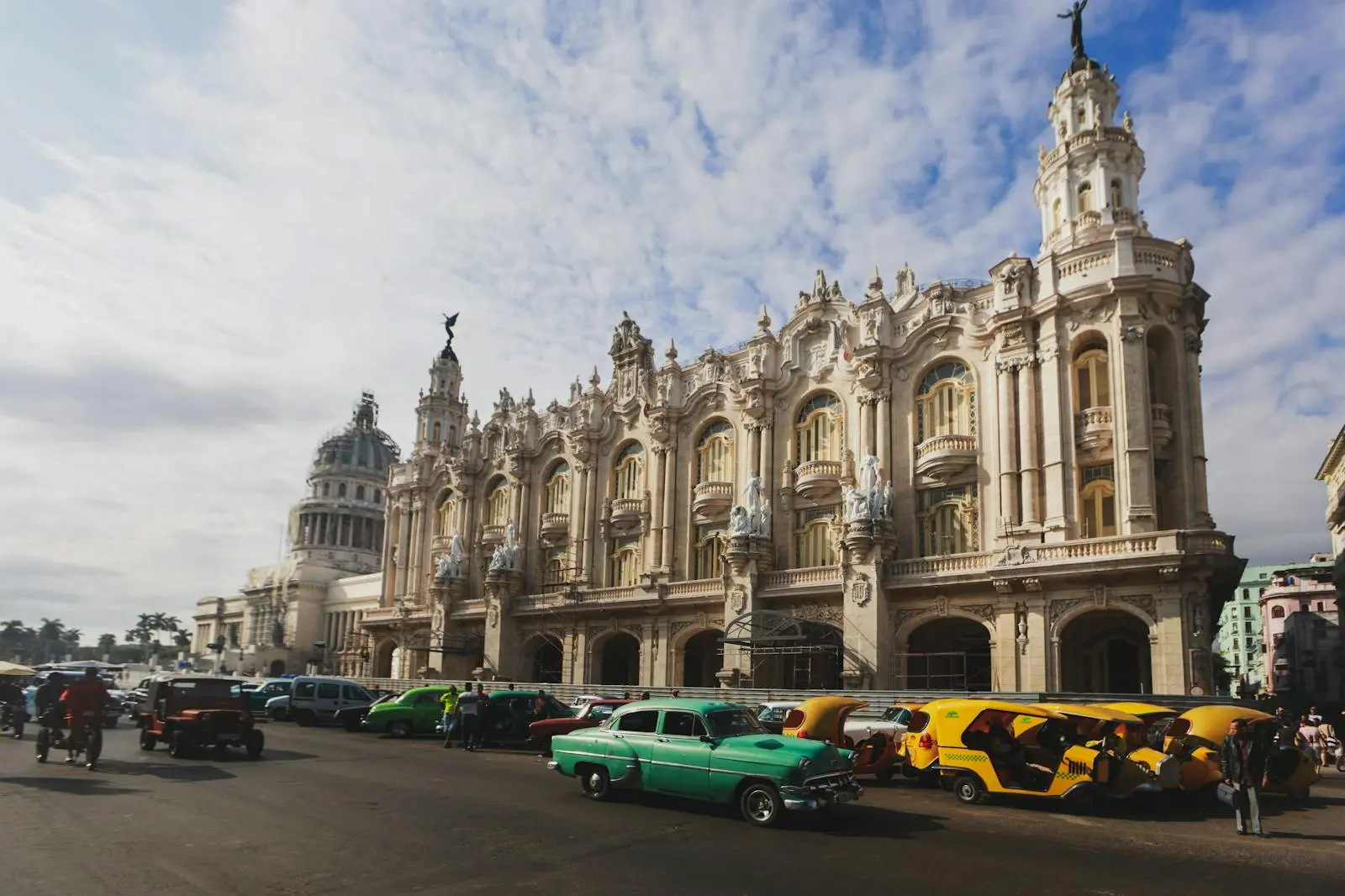
Photo by Mehmet Turgut Kirkgoz
Coffee beans deliver Cuba’s mountain terroir in every cup
Cuban coffee culture runs deep – thick, sweet cafe cubano fuels morning conversations across the island. Two brands dominate the quality souvenir market, both sourced from Sierra Maestra mountain plantations where altitude and soil create distinctive flavor profiles. Unlike cigars and rum with their complex regulations, coffee travels internationally without restrictions, making it an ideal gift for friends and family who don’t smoke or drink.
Premium brands worth the investment
Cubita represents the premium tier – 100% Arabica beans grown at 1000-1200 meters (3300-3900 feet) elevation, producing a smooth cup with low acidity and notes of chocolate and nuts. Vacuum-sealed 250g bags cost approximately $12-15 USD, while 1000g packages run $35-40 USD. Serrano offers traditional Cuban flavor at slightly lower prices, around $12 USD per 250g, with a bolder, more robust profile Cubans themselves prefer for morning brewing.
Both brands come pre-ground or whole bean. Choose whole beans if you have a grinder at home – they maintain freshness longer during your journey and after you return. Pre-ground works for espresso makers and stovetop moka pots, the traditional Cuban brewing method.
Local markets beat airport pricing but require careful selection
ARTEX stores stock both brands with consistent quality and sealed packaging that guarantees freshness. Old Havana shops along Obispo Street charge tourist premiums (15-20% higher) but offer convenient one-stop shopping combined with other souvenirs. Airport duty-free includes coffee but prices run 30-40% above city stores – only buy there if you’ve run out of time.
Local mercados (markets) sell Cuban coffee at lower prices, sometimes in plain packaging without vacuum sealing. This works if you’ll consume it within 2-3 weeks, but vacuum-sealed bags from established brands preserve flavor for 6-12 months, making them superior souvenirs for extended storage.
Guayabera shirts blend elegance with tropical practicality
The guayabera’s distinctive four-pocket design and vertical pleating originated in Cuba (though Mexico disputes this claim), becoming the island’s semi-formal dress code for everything from business meetings to weddings. These lightweight shirts breathe in Caribbean heat while maintaining a polished appearance that T-shirts and polos can’t match. When you see Cuban men dressed up, they’re almost certainly wearing guayaberas.
Traditional designs feature two vertical rows of tiny pleats running down the front and back, four patch pockets with button flaps, and intricate embroidery details along the pockets and placket. Linen versions ($70-100 USD) offer superior breathability and that desirable slightly wrinkled texture that signals quality, while cotton-blend options ($30-50 USD) resist wrinkles better for travel. White remains the classic choice, though modern tailors offer pastels and even bold Caribbean colors.
Old Havana tailors clustered around Obispo Street and Trinidad’s artisan shops near Plaza Mayor provide the widest selection. Mass-produced versions in tourist shops start around $30 USD but often use cheaper fabrics and less detailed stitching. Custom-tailored guayaberas from experienced seamstresses cost $80-120 USD and fit perfectly, though you’ll need 3-5 days for completion – not practical for short visits.
Practical tip: Cuban sizing runs significantly smaller than US or European standards. If you normally wear a US medium, try Cuban large or extra-large. The shirt should fit loosely through the body for proper air circulation – a snug guayabera defeats its cooling purpose and looks wrong. Try before buying, and if ordering custom, bring a well-fitting shirt for the tailor to reference. Linen shrinks 3-5% after first washing, so factor that into sizing decisions for custom orders.
Discover unique souvenirs that most travelers completely overlook
Beyond the famous triumvirate of cigars, rum, and coffee, Cuba offers distinctive souvenirs that surprise friends back home and spark conversations for years. These items range from quirky handmade crafts to luxury artisan products, each capturing different facets of Cuban creativity and culture.
Habana 1791 perfumes blend colonial elegance with Caribbean botanicals
This boutique perfumery operates from a beautifully restored colonial building on Mercaderes Street (between Obrapia and Lamparilla) in Old Havana. Master perfumers hand-blend fragrances using traditional methods and local ingredients – jasmine, sandalwood, tobacco flower, coconut, and tropical citrus. Individual bottles cost $10-20 USD depending on size, with ornate ceramic bottles commanding higher prices around $25-30 USD. The shop offers custom scent creation where perfumers adjust formulas to your preference after testing several base options.
These perfumes capture Cuba in a way photos cannot – the tobacco and rum notes evoke classic Havana, while jasmine and coconut transport you to tropical beaches. Female and male fragrances span from light floral to deep woody compositions.
Coconut monkeys add whimsy to any shelf or desk
Street artisans carve these quirky figurines from coconut shells and husks, creating monkeys that often wear tiny straw hats and hold miniature cigars. They cost $3-4 USD and weigh almost nothing, making them perfect budget souvenirs or gifts for coworkers. Each one shows slight variations since they’re individually handmade. You’ll find them at every craft market across Cuba, but Trinidad’s artisans produce particularly detailed versions with more expressive faces and poses. Quality varies – better craftspeople smooth edges carefully and add small details like fingernails or facial expressions that cheaper versions skip.
Afro-Cuban Santeria beads connect to spiritual tradition
These colorful bead necklaces (called elekes or collares) represent different orishas (deities) in Santeria, Cuba’s syncretic Afro-Caribbean religion blending Yoruba traditions with Catholicism. Each color combination carries spiritual significance – red and white beads honor Chango (god of thunder and fire), blue and white represent Yemaya (goddess of the sea), and yellow represents Ochun (goddess of love and rivers). Authentic elekes cost $300-1200 CUP (approximately $10-40 USD) depending on bead quality and length.
You’ll find them at Callejon de Hamel in Havana (a vibrant alley dedicated to Afro-Cuban culture with murals and Sunday rumba performances) and markets in Santiago de Cuba where African cultural retention runs strongest. Buy respectfully with understanding that these aren’t mere fashion accessories – many Cubans wear them as genuine religious objects. Vendors appreciate when tourists ask about meanings and show cultural curiosity rather than treating them as exotic trinkets.
Tostonera presses remind you of Cuban kitchens
This simple wooden tool presses plantain slices flat before frying them into tostones (twice-fried plantains), a staple side dish across Cuba and the Caribbean. Approximately 80% of Cuban households own one, making it genuinely representative of daily life rather than tourist kitsch. Basic versions cost $5-8 USD, while carved decorative tostoneras with intricate designs run $15-25 USD. They’re surprisingly practical if you enjoy Caribbean cooking at home, and even if you never make tostones, they make excellent conversation pieces that actually reflect Cuban culture.
Markets in Trinidad and Havana’s Almacenes San Jose stock various sizes – smaller 6-inch (15cm) versions work for personal use, while restaurant-size 8-10 inch (20-25cm) presses handle larger quantities.
Cuban art and handicrafts range from naive paintings to master woodwork
Cuba’s vibrant art scene produces everything from colorful folk paintings to sophisticated sculptures, with price points spanning $40 bargain prints to $5000+ gallery pieces by established artists. The best souvenirs sit in the $50-300 range where you get genuine handmade quality without needing art expertise or massive luggage space.
Street scenes and vintage cars dominate tourist-friendly paintings
The naive art style (sometimes called primitive art) features bright colors, simplified forms, and charming perspectives that capture Cuba’s visual appeal without photorealistic precision. Common themes include 1950s American cars parked along crumbling colonial buildings, Afro-Cuban dancers in traditional dress, and rural tobacco farming scenes. Small canvas paintings (12×16 inches / 30x40cm) cost $1200-3000 CUP ($40-100 USD), while mid-size pieces (20×24 inches / 50x60cm) run $3000-8000 CUP ($100-270 USD).
Almacenes San Jose market on Havana’s waterfront (Avenida del Puerto at the cruise terminal) houses Cuba’s largest concentration of art vendors under one massive roof – hundreds of paintings displayed across multiple floors. Trinidad’s Plaza Mayor area offers smaller scale but often better prices since vendors face less tourist volume. Compare quality carefully – better artists use archival canvas and quality acrylics that resist fading, while rushed pieces show thin paint coverage and sloppy edges.
Photo by Kevin Torres
Mahogany and cedar carvings showcase traditional woodworking
Cuban artisans carve religious figures (Catholic saints and Santeria orishas), abstract sculptures, animal figures, and decorative boxes from local hardwoods. Mahogany’s rich reddish-brown color and cedar’s aromatic properties make them premium choices. Small pieces (6-8 inches / 15-20cm) cost $20-50 USD, while detailed sculptures reaching 12-15 inches (30-38cm) command $80-150 USD.
Wood carvings add significant weight to luggage – a mid-size sculpture weighs 2-4 pounds (1-2 kg) – so factor this into your baggage allowance before purchasing large pieces. Wrap carefully in bubble wrap or clothing to prevent damage during transit.
Trinidad’s white crochet work preserves traditional techniques
Trinidad remains Cuba’s handicraft capital, particularly for delicate crochet and embroidery work. Traditional pieces use white cotton or linen yarn in intricate patterns passed through generations. Crochet shawls cost $25-60 USD, while tablecloths and elaborate doilies run $40-100 USD depending on size and complexity. Valle de los Ingenios (Valley of the Sugar Mills) just outside Trinidad offers the best prices – artisans there sell directly without market vendor markups.
White yarn signals traditional authentic work, while colored pieces target tourist preferences. Both show impressive skill, but purists prefer the classic white. These items pack light and make thoughtful gifts for people who appreciate handmade textiles.
Cuban food souvenirs extend your island experience
Bringing home Cuba’s flavors lets you recreate (or attempt to recreate) the meals that defined your trip. Beyond coffee, several food items travel well and don’t face import restrictions in most countries.
Sweet treats survive the journey home
Coquitos – coconut balls preserved in sugar syrup – come in sealed jars and survive luggage transport easily. They’re intensely sweet by international standards but capture Cuban dessert culture perfectly. Guava bars (pasta de guayaba) offer another compact option, pressed into rectangles that pair traditionally with cream cheese on crackers. Both cost $2-5 USD for gift-appropriate sizes.
Local supermarkets stock these at better prices than tourist shops. Look for sealed packaging to ensure freshness and prevent sticky disasters in your luggage.
Recipe books pair perfectly with spices and rum
Cuban cookbooks (in English and Spanish) sell for $8-15 USD at bookshops along Old Havana’s Obispo Street. Pair one with a bottle of rum and some local spices for a complete gift package. Cuban oregano, cumin, and sazon (seasoning blend) cost $1-3 USD at local markets. These weigh almost nothing and help recreate authentic Cuban flavors once you return home.
| Souvenir Type | Price Range | Weight | Best For | Where to Buy |
|---|---|---|---|---|
| Coquitos (jar) | $2-5 | Light | Sweet lovers | Supermarkets, ARTEX |
| Guava bars | $2-4 | Very light | Compact gifts | Markets, grocery stores |
| Recipe books | $8-15 | Light | Home cooks | Obispo St bookshops |
| Spice blends | $1-3 | Minimal | Cooking enthusiasts | Local markets |
Navigate Cuba’s shopping landscape with insider knowledge of locations
Cuba’s shopping infrastructure splits between government-run stores with fixed prices and artisan markets where negotiation rules. Knowing where to go for specific items saves time and money while connecting you with authentic local craftsmanship.
Havana concentrates diverse options in walkable neighborhoods
Almacenes San Jose Artisan Market dominates as Havana’s largest craft shopping destination. Located on Avenida del Puerto next to the cruise terminal, this converted warehouse spans multiple floors with hundreds of vendor stalls selling paintings, wood carvings, textiles, jewelry, and musical instruments. Prices run 10-20% higher than Trinidad but selection dwarfs smaller markets. Arrive before 10am for the calmest browsing experience – afternoon crowds make movement difficult.
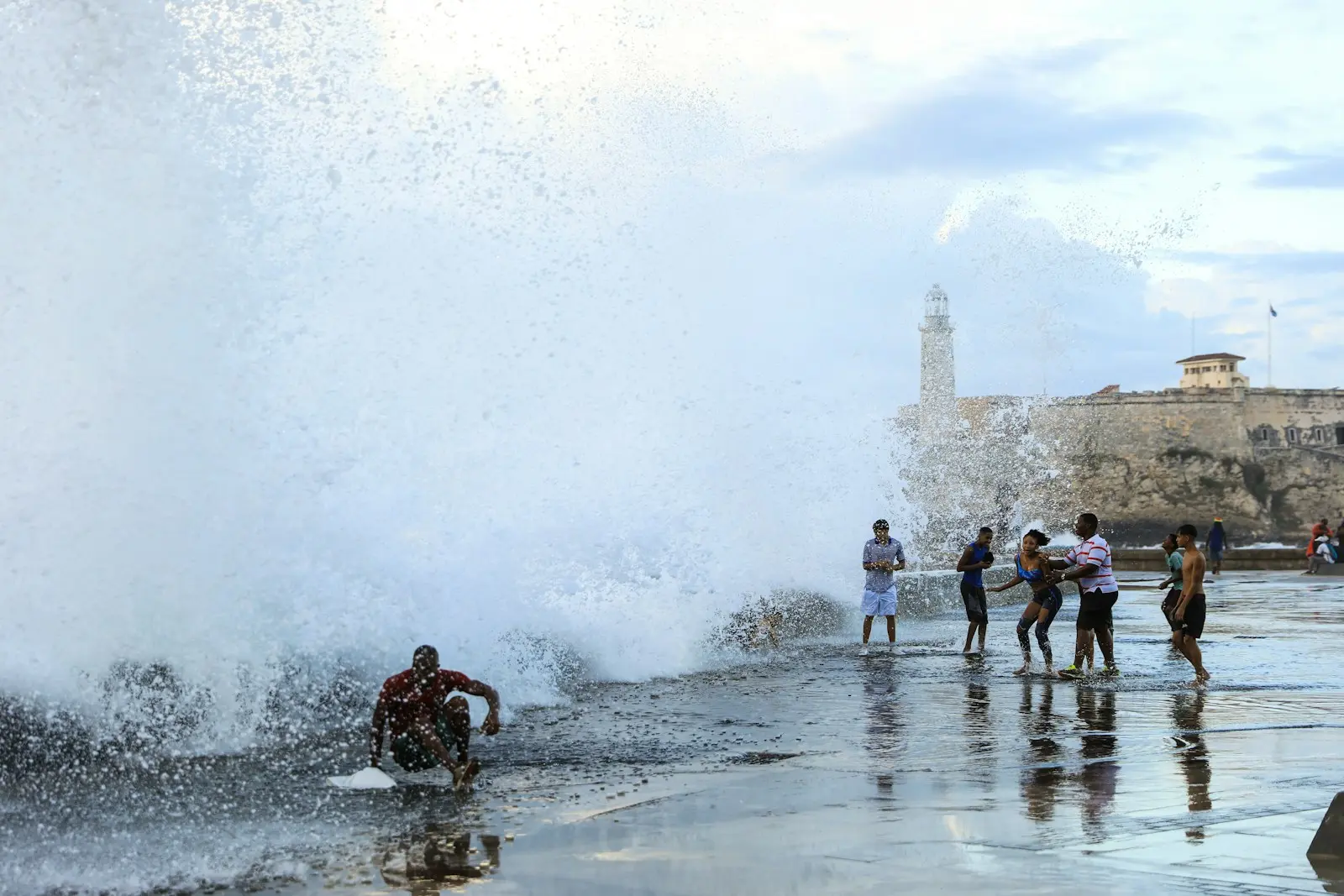
Photo by Dylan Shaw
Obispo Street (Calle Obispo) cuts through Old Havana’s heart as a pedestrian shopping corridor. Government stores, private boutiques, bookshops, and street vendors line both sides. You’ll find Habana 1791 perfume shop here along with art galleries and guayabera retailers. Prices target tourists but convenience and variety justify slight premiums if time is limited.
Partagas Tobacco Factory behind the Capitol building operates a La Casa del Habano shop where you can purchase cigars after touring the factory (tours cost $10 USD). The Havana Club Rum Museum near the harbor offers tastings and a well-stocked shop. Callejon de Hamel between Aramburu and Hospital streets showcases Afro-Cuban art, Santeria items, and hosts Sunday rumba performances that justify the visit beyond shopping.
Trinidad’s colonial setting creates intimate shopping experiences
Trinidad’s UNESCO-protected colonial architecture provides the backdrop for artisan markets clustered around Plaza Mayor. Vendors spread paintings, textiles, and crafts across the plaza’s cobblestones daily. Prices typically run 15-25% lower than Havana for comparable items since competition is fiercer and tourist volume smaller. The Mercado de Artesania (artisan market) near Plaza Mayor concentrates multiple vendors under cover – useful during rain.
Valle de los Ingenios, a 15-minute drive from Trinidad, offers the absolute best prices on embroidery and crochet work. Artisans sell directly from homes without market vendor markups. If you’re specifically seeking textile souvenirs, the savings justify a taxi trip ($10-15 USD round-trip).
Taller Alfarero on Trinidad’s outskirts demonstrates traditional pottery techniques. You can watch craftspeople throw clay on wheels and paint pieces before purchasing ($5-30 USD depending on size). The experience adds value beyond the physical souvenir.
State stores versus local artisans present trade-offs
ARTEX chain stores operate government-run locations across Cuba selling standardized souvenirs – coffee, rum, crafts, clothing, music. Quality remains consistent and prices are fixed (no haggling), but you’ll pay 20-40% premiums over market vendors for the convenience and reliability. ARTEX works well for rum and coffee where brand authenticity matters, less so for handicrafts where market artisans offer better prices and more character.
Local markets support artisans directly – your $50 painting payment goes mostly to the artist rather than state bureaucracy. Quality varies more widely so inspect carefully, but you’ll find unique pieces and develop personal connections with makers. Haggling is expected and even appreciated as part of market culture.
Practical tip: Shop markets first to establish baseline prices and quality standards, then use ARTEX or hotel shops for last-minute items or products requiring sealed packaging (coffee, spices). Take photos of items you like but aren’t ready to buy – you can return later or use them for price comparison elsewhere. Vendors understand this and won’t pressure you if you’re friendly and respectful about browsing.
Master smart shopping strategies that protect your budget and ensure authenticity
Cuban shopping culture follows different rules than chain-store retail in North America or Europe. Understanding when to negotiate, how to verify quality, and which seasonal factors affect pricing prevents frustration and ensures you bring home genuine souvenirs worth the investment.
Haggling customs vary by vendor type and location
Craft markets and informal stalls expect negotiation – vendors typically start prices 50-100% above their minimum acceptable amount. Begin your counter-offer at 40-50% of the asking price, then work toward middle ground through friendly back-and-forth. Bundle multiple items for stronger negotiation leverage (“If I buy this painting and two wood carvings, what’s your best price for all three?”). The process should feel playful rather than confrontational – smile, joke, and walk away if you can’t reach agreement. Vendors often call you back with better offers once they see you’re genuinely willing to leave.
State stores (ARTEX, La Casa del Habano, pharmacies, supermarkets) maintain fixed prices that never budge. Don’t attempt haggling there – it marks you as inexperienced and accomplishes nothing. Hotel shops occasionally offer small discounts (5-10%) if you’re spending substantial amounts, but don’t expect major reductions.
Street vendors selling art, crafts, or vintage items welcome negotiation. However, never negotiate on cigars or rum from street vendors – these are almost certainly counterfeit regardless of price, and you shouldn’t purchase them at any cost.
Quality verification prevents expensive mistakes
Cigar authentication requires checking every security feature before leaving the store – hologram seal, barcode, factory codes, and proper band printing. Open the box and examine cigars for consistent color, smooth wrapper without major veins, and proper construction. Soft spots indicate poor rolling, while overly hard areas suggest too-tight packing. Both problems ruin the smoking experience.
Rum verification is simpler – buy only from government stores where authenticity is guaranteed. Check that bottles are properly sealed and labels show no signs of tampering. Home refilling of premium bottles with cheaper rum happens occasionally, though almost never in official retailers.
Handicraft quality shows in details. Better paintings use thick paint application, clean edges, and archival canvas rather than cheap fabric. Quality wood carvings display smooth sanding without rough patches, even stain application, and tight joints on multi-piece sculptures. Textiles should show tight, consistent stitching with no loose threads or irregular patterns.
Seasonal timing affects both prices and selection
November through April marks Cuba’s peak tourist season with higher prices across markets (10-20% above low season) but maximum selection since artisans stock heavily to meet demand. Markets get crowded, especially in Havana, making leisurely browsing difficult. May-June and September-October offer the sweet spot – lower prices, fewer crowds, and still-good selection before vendors deplete inventory.
Morning shopping (8-11am) provides the calmest experience at markets. Cubans believe the first sale of the day brings good luck, sometimes leading to better prices for early shoppers, though this varies by vendor. Afternoon heat slows both tourists and vendors, creating a more relaxed atmosphere but also siesta closures at some shops between 1-3pm.
| Shopping Factor | Peak Season (Nov-Apr) | Shoulder Season (May-Jun, Sep-Oct) | Low Season (Jul-Aug) |
|---|---|---|---|
| Prices | Highest (+10-20%) | Moderate | Lowest (baseline) |
| Crowds | Very busy | Comfortable | Quiet |
| Selection | Maximum variety | Good variety | Some gaps |
| Vendor motivation | Less flexible | More negotiable | Most flexible |
Understand customs regulations that determine what crosses borders legally
International customs regulations for Cuban products confuse many travelers because rules vary dramatically by destination country and changed recently for US travelers. Knowing your specific country’s limits prevents confiscation, fines, and spoiled homecomings.
US travelers face the strictest restrictions
The United States reinstated a complete prohibition on Cuban cigars and rum in September 2020, reversing Obama-era allowances that permitted personal-use quantities. Current regulations allow zero cigars and zero bottles of rum regardless of where you purchased them or how much you paid. US Customs and Border Protection actively screens for Cuban products, and discovery leads to confiscation at minimum, potentially criminal penalties for large quantities suggesting commercial import attempts.
US travelers can legally bring other Cuban souvenirs – coffee, art, handicrafts, clothing, books, music – up to the general $800 duty-free allowance for all foreign purchases combined. Keep receipts documenting costs to prove you’re under limits if questioned.
Other countries apply standard tobacco and alcohol limits
EU member states typically allow 50 cigars or 200 cigarettes duty-free per person, with some variation by country. Alcohol limits range from 1-3 liters depending on ABV (alcohol by volume) percentage and specific nation’s rules. Canada permits similar quantities – 50 cigars and 1.5 liters of alcohol duty-free for residents returning after 48+ hours abroad.
UK travelers can bring 50 cigars and either 18 liters of still wine or 42 liters of beer duty-free, though spirits face stricter 4-liter limits. Australia allows 25 cigars or 25 grams of tobacco products plus 2.25 liters of alcohol. These limits apply per person – families traveling together can combine allowances, so two adults could legally bring 100 cigars between them under most countries’ rules.
Documentation requirements protect legitimate purchases
Always keep original receipts from authorized retailers. Customs officers can request proof of legal purchase, and receipts from La Casa del Habano or government stores validate authenticity while demonstrating you didn’t buy counterfeit street products. Cigar boxes should remain sealed until after clearing customs – broken seals raise suspicions about content authenticity.
Photo by Dylan Shaw
Large art pieces or antiques may require additional documentation. Cuban law prohibits exporting national cultural heritage items without permits. In practice, this affects museum-quality colonial furniture and historically significant artwork rather than typical tourist paintings. If you’re spending $1000+ on art, ask the seller about export documentation requirements. Reputable galleries handle this automatically, but private purchases from artists may require you to visit the National Registry office.
Practical tip: Photograph your receipts as backups and email them to yourself. Paper receipts fade in tropical humidity and can become illegible by the time you reach customs. Digital copies provide proof if originals deteriorate. For expensive purchases (premium cigars, multiple rum bottles, large artwork), keep receipts in your carry-on rather than checked luggage where they might separate from the items they document.
Protect fragile souvenirs with smart packing strategies

Cuban souvenirs range from rugged wood carvings to delicate ceramic perfume bottles. Proper packing prevents heartbreak when you discover shattered rum bottles or cracked pottery after arriving home. Weight limits also matter – Cuban customs restricts outbound luggage to 25kg (55 lbs) per person, and overweight bags cost $10 USD per extra kilogram up to 5kg maximum.
Carry fragile items on board when possible
Rum bottles, perfume bottles, and ceramics should travel in carry-on luggage where you control handling. Wrap each bottle individually in clothing (socks work perfectly for perfume bottles, T-shirts for rum) and pack in the center of your bag surrounded by soft items. TSA liquid rules restrict carry-on containers to 100ml (3.4oz) each, but this applies to travel-size bottles you bring from home, not duty-free purchases made after security. Rum and larger perfume bottles must go in checked luggage unless purchased in the airport’s secure area after clearing security.
For checked bags, wrap bottles in multiple layers – bubble wrap if available, otherwise clothing creates cushioning. Place wrapped items in the bag’s center away from hard sides where impact forces concentrate. Fill empty spaces around bottles with rolled clothing to prevent shifting during handling.
Weight management prevents excess baggage fees
Wood carvings, multiple rum bottles, and stacks of paintings add weight rapidly. A typical 750ml rum bottle weighs 1.2-1.5kg (2.6-3.3 lbs) including packaging. Five bottles consume 6-7.5kg (13-16.5 lbs) of your 25kg allowance before adding clothes and other items. Mid-size wood sculptures weigh 1-2kg (2.2-4.4 lbs) each.
Weigh souvenirs as you purchase them using your phone (luggage scale apps work reasonably well) or hotel scales. If you’re approaching limits, consider wearing your heaviest shoes and clothing on the plane and packing lighter items. Cuban customs charges $10 USD per kilogram over 25kg limit, capped at 5kg maximum overage – beyond 30kg total, they refuse additional items.
Practical tip: Pack a lightweight foldable duffel bag in your checked luggage before leaving home. It weighs 200-300 grams (7-11 oz) but provides emergency expansion capacity if souvenirs exceed your main bag’s space. Airlines typically allow one checked bag and one carry-on – the duffel becomes a second checked bag if needed, costing $25-50 USD depending on airline, far cheaper than shipping items separately or abandoning purchases.
International shipping rarely makes financial sense
DHL and FedEx operate in Cuba but charge $200-300 USD to ship a 2kg (4.4 lb) package to North America or Europe, with 8-12 day standard delivery or 1-3 day express service at even higher costs. Customs paperwork adds complexity, and recipients often face additional customs duties and processing fees at the destination. For comparison, that $300 shipping cost could pay for excess baggage fees on 30kg of extra luggage or purchase substantial additional souvenirs.
Shipping makes sense only for oversized items physically impossible to pack (large furniture, multiple large paintings) or ultra-valuable artwork where insurance justifies costs. For typical tourist purchases, creative packing or paying airline overweight fees costs far less.
Support Cuban artisans through ethical purchasing choices
Every purchase in Cuba carries political and economic implications since the government controls most retail infrastructure. Understanding where your money goes helps you support the people whose creativity and skill produce the souvenirs you value.
Direct purchases from artisans at markets put more money in makers’ pockets compared to state-run stores where government bureaucracy absorbs significant percentages. When you buy a $60 painting directly from the artist at Almacenes San Jose or Plaza Mayor, they receive perhaps $50-55 after market stall fees. That same painting in an ARTEX store might cost you $75-80 with the artist receiving only $30-35 after the state’s markup.
However, this doesn’t mean boycotting state stores entirely. They provide reliable sources for products where authenticity and freshness matter – coffee’s vacuum sealing, rum’s provenance, cigars’ authentication. The transparency and documentation they provide justify modest premiums for these categories.
Fair pricing during haggling matters ethically. Over-aggressive negotiation that pushes prices to absolute minimums may save you $5-10 but significantly impacts artisans working with thin margins. If you’ve negotiated a painting from $50 to $30 and feel satisfied, don’t push for $25 – that extra $5 represents real income for someone likely earning $20-50 monthly in government salary and depending on craft sales to supplement it.
Choose casas particulares (private homestays) and paladares (private restaurants) over government hotels and restaurants. These private businesses emerged from recent economic reforms allowing limited private enterprise, and they channel tourist money directly to Cuban families rather than state coffers. The same principle applies to souvenirs – when quality and authenticity are equal, buying from individual artisans rather than government retailers supports entrepreneurship.
Avoid jineteros (street hustlers) who aggressively approach tourists offering “authentic” cigars, art gallery tours with “no commission,” or special access to closed attractions. These schemes range from selling counterfeits to steering you toward shops paying referral fees that inflate your costs. Politely decline and move on – legitimate vendors don’t pursue tourists down streets.
Author’s commentary: Cuban souvenir shopping presents challenges that most travelers underestimate until they’re standing at customs watching officials confiscate their carefully selected purchases. From my analysis of travel forum discussions and traveler feedback over the past several years, I’ve observed that the gap between what tourists expect to bring home and what’s actually legal or authentic remains surprisingly wide.
The article addresses this critical issue head-on with specific authentication markers and country-by-country customs regulations, information I’ve found to be severely lacking in most travel guides. What strikes me most is the counterfeit cigar epidemic – the article’s emphasis on D.O.P. seals and NFC technology reflects how sophisticated the fake market has become, and I’ve seen countless traveler complaints about discovering their “authentic” street-vendor Cohibas were worthless once home.
The 2020 US import ban on Cuban cigars and rum particularly catches Americans off guard, and from examining customs enforcement reports, I can confirm officials actively screen for these items. Interestingly, Cuba’s cigar industry produces approximately 500 million cigars annually, yet counterfeit production likely exceeds legitimate output by 3-to-1 ratios in tourist areas. For anyone planning a Cuba trip, I recommend reading the customs section of this guide before shopping, not after – knowing your destination country’s specific limits prevents the disappointment of abandoning purchases at the airport or facing confiscation and fines at home.
Frequently asked questions about best souvenirs to buy in Cuba
Can I ship a large Cuban painting home instead of carrying it, and what does that actually cost?
DHL and FedEx operate in Cuba but charge $200-300 USD to ship a 2kg (4.4 lb) package to North America or Europe with 8-12 day delivery, plus you’ll likely face additional customs duties and processing fees at your destination. For a large painting, shipping costs often exceed the artwork’s purchase price. You’re better off paying airline overweight baggage fees ($25-50 USD for a second checked bag) or carefully rolling the canvas
Is it better to buy souvenirs in Havana or Trinidad for overall value and selection?
Havana offers maximum selection and convenience with Almacenes San Jose housing hundreds of vendors under one roof, but prices run 15-25% higher than Trinidad. Trinidad provides better value on handicrafts, especially embroidery and crochet work, with more personal interactions with artisans and authentic atmosphere. For the best strategy, shop Havana for items requiring authentication (cigars, rum, coffee from ARTEX stores) and Trinidad for art, textiles, and wood carvings where lower prices and direct artisan purchases matter most.
What happens if I accidentally pack Cuban cigars in my luggage as a US citizen and get caught at customs?
US Customs and Border Protection will confiscate all Cuban cigars and rum upon discovery, and you may face fines ranging from $300 to several thousand dollars depending on quantity and whether officers suspect commercial import intent. The items are permanently seized without compensation, and repeat violations can trigger criminal penalties. If you’re American, your only legal option is to enjoy cigars while in Cuba but leave them behind – no quantity is permitted, even a single cigar in your pocket.
Can I negotiate prices at Almacenes San Jose market in Havana, and how low should I start?
Yes, haggling is expected at Almacenes San Jose and all craft markets in Cuba. Start your counter-offer at 40-50% of the vendor’s asking price – if they quote $60 for a painting, offer $25-30 and work toward $35-45 as a final price. Bundle multiple items for stronger leverage by saying “If I buy this painting plus two wood carvings, what’s your best total price?” The process should feel friendly and playful, not aggressive, and vendors often call you back with better offers if you politely walk away.
How much should I actually spend on each souvenir category if I have a $200 total budget?
Allocate your $200 budget this way: $80-100 for one premium item (box of Montecristo No.4 cigars, aged rum, or custom guayabera), $50-70 for mid-range crafts (wood carvings, paintings, or Habana 1791 perfumes), $30-40 for coffee and food items (Cubita or Serrano vacuum-sealed packages), and $20-30 for small gifts (coconut monkeys, magnets, or tostonera). This distribution gives you one impressive souvenir for yourself plus 5-8 smaller items for friends and family without exceeding weight limits.