

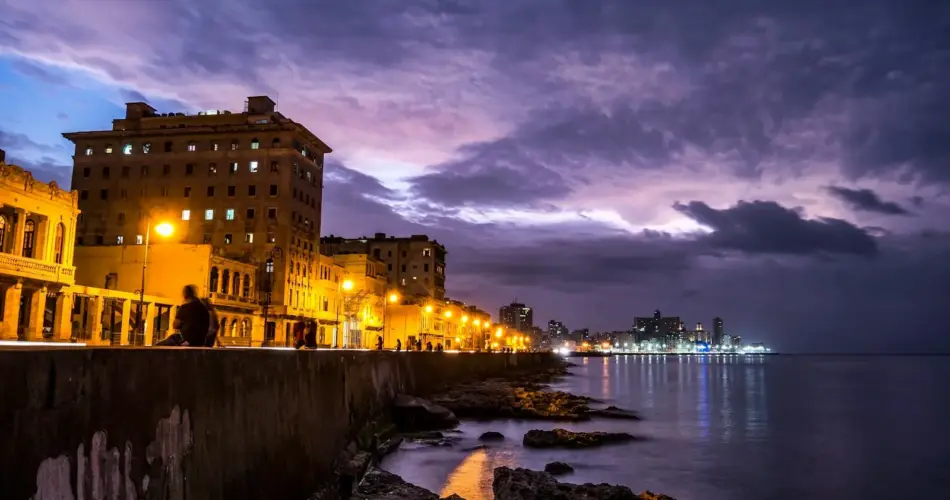
Cuba operates on a two-season climate that shapes every aspect of your trip. The dry season from November through April delivers consistent sunshine and stable temperatures between 25-28°C (77-82°F), while the rainy season from May through October brings afternoon downpours, higher humidity, and hurricane possibilities. Most travel sites push December and January as the best time to visit Cuba for good weather, but that advice ignores crucial trade-offs around crowds, costs, and regional variations that can make or break your experience.
Quick answer: March and April offer the best balance of excellent weather, manageable crowds, and reasonable prices. Late November through February brings perfect conditions but peak tourism and 20-30% higher costs. September and October deliver the lowest prices and most authentic experiences, with brief afternoon rains and minimal hurricane disruption if you plan strategically.
This breakdown covers month-by-month weather patterns, regional differences between Havana and Santiago de Cuba, daily weather rhythms during rainy season, and practical strategies for timing your visit around activities like diving, hiking, or cultural festivals. You’ll learn which months match your priorities and how to work around Cuba’s infrastructure realities that most guidebooks ignore.
Cuba’s two-season reality and what it means for your trip
Cuba sits in the northern Caribbean tropics, which creates a straightforward climate pattern with two distinct seasons rather than the four-season systems you’ll find in temperate zones. The dry season runs from November through April, bringing lower humidity (60-75%), minimal rainfall averaging 30-70mm monthly, and cooler evening temperatures that can dip to 18°C (64°F) in January and February. This period coincides with winter in the Northern Hemisphere, which drives North American and European tourists to the island in massive numbers, particularly from mid-December through mid-March.
The rainy season from May through October features afternoon thunderstorms, higher humidity levels reaching 80-85%, and monthly rainfall between 100-190mm concentrated in short, intense bursts. Hurricane season officially runs June through November, with peak risk in September and October, though direct hits remain statistically rare. What matters more for daily travel is the predictable weather pattern: mornings break clear and sunny, midday heat peaks around 32-33°C (90-91°F), and afternoon showers roll through between 2-5pm before clearing by evening. This rhythm allows you to plan morning activities, afternoon rest or indoor cultural visits, and evening beach or dining without getting soaked all day.
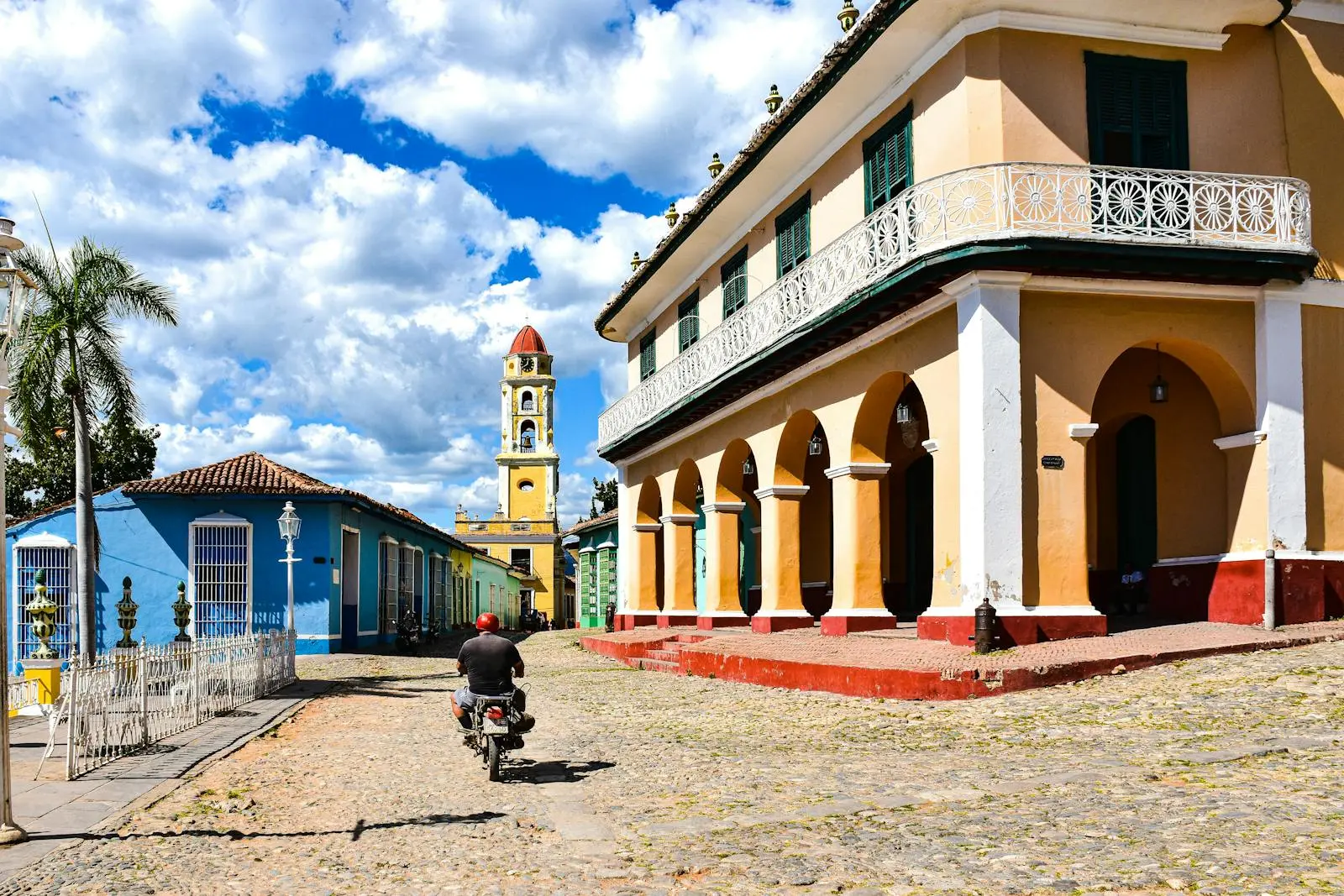
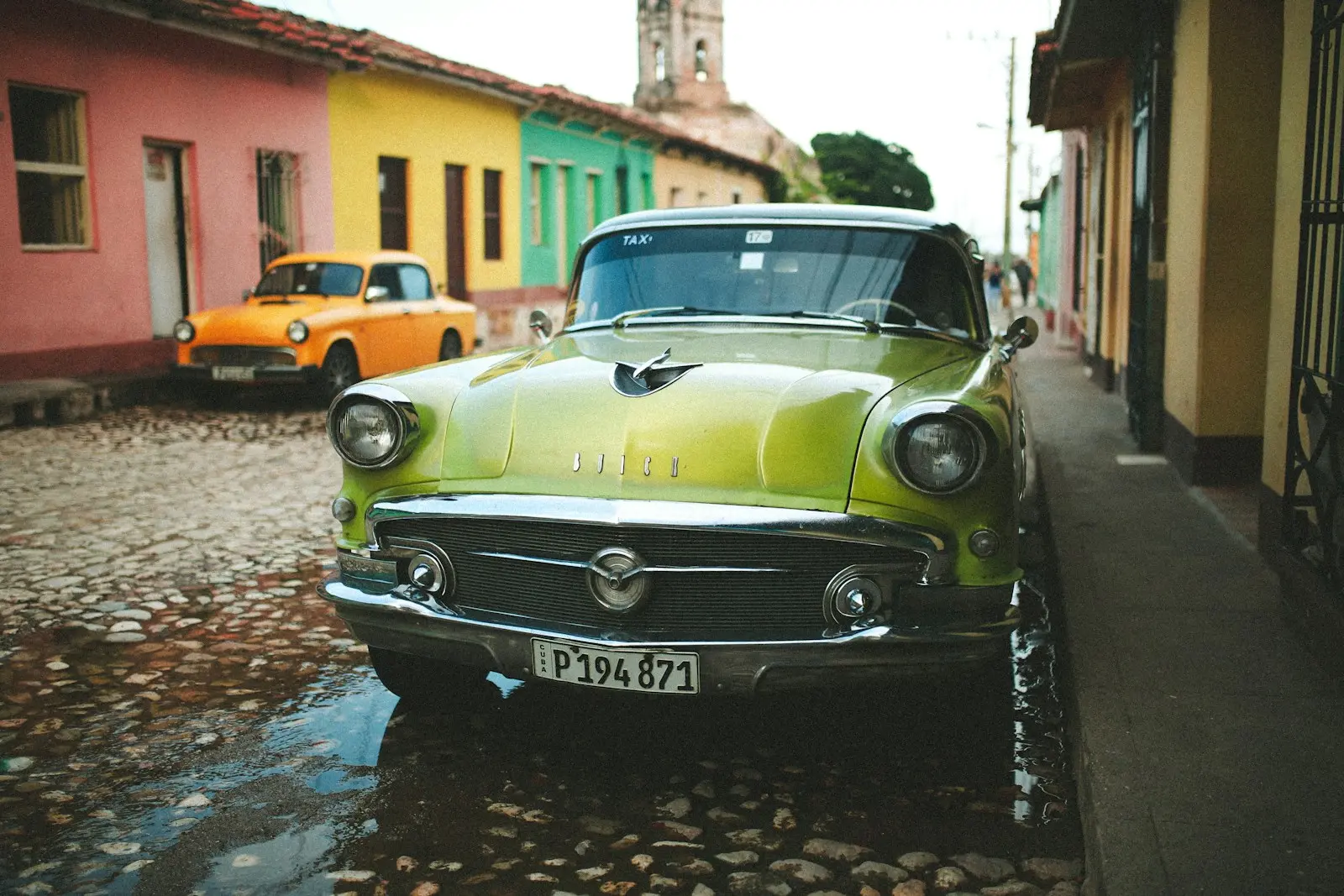
Photo by AXP Photography
Temperature variation between seasons stays moderate compared to continental climates. Winter months average 25-27°C (77-81°F) during the day, while summer peaks at 31-33°C (88-91°F). Water temperature ranges from 25°C (77°F) in February to 29°C (84°F) in August, making year-round swimming comfortable. The real difference you’ll feel comes from humidity levels and rainfall frequency rather than raw temperature swings.
Practical tip: Pack a lightweight rain jacket regardless of season. Dry season can still bring brief showers from passing cold fronts, especially in western Cuba from December through February. During rainy season, bring quick-dry synthetic fabrics instead of cotton, which stays damp in 80%+ humidity and takes hours to dry without modern clothes dryers that most casas particulares lack.
Dry season decoded: November through April brings stability
November marks the transition from rainy to dry season, with lingering afternoon showers averaging 80mm for the month but noticeably less frequent than October. Temperatures remain warm at 27-28°C (81-82°F), and tourist numbers stay manageable until Thanksgiving week. December through February represents peak season, when North American winter drives visitors south and accommodation prices jump 20-30% above shoulder season rates. January brings the coolest temperatures of the year, with occasional cold fronts from North America dropping evening temperatures to 15-18°C (59-64°F) in Havana, though Santiago de Cuba in the east stays consistently warmer.
March delivers the driest weather of the entire year with only 28-31mm of rainfall and consistently sunny days perfect for outdoor activities. April maintains excellent conditions with slightly higher temperatures around 28-30°C (82-86°F) and minimal rain until the final week of the month. Crowds thin noticeably in April except during Easter week, when prices spike again but not to December-January levels. These two months offer the sweet spot between ideal weather and more reasonable costs.
| Month | Avg Temp (Day) | Rainfall | Crowds | Price Level |
|---|---|---|---|---|
| November | 27°C (81°F) | 80mm | Moderate | Mid |
| December | 26°C (79°F) | 42mm | Very High | Peak (+25%) |
| January | 25°C (77°F) | 32mm | Very High | Peak (+25%) |
| February | 26°C (79°F) | 69mm | High | High (+15%) |
| March | 27°C (81°F) | 28mm | High | Mid |
| April | 28°C (82°F) | 58mm | Moderate | Mid |
Water temperature during dry season ranges from 25-26°C (77-79°F), cool enough that you might want a thin wetsuit for extended snorkeling or diving sessions but comfortable for beach swimming. Visibility underwater peaks from February through April at 20-30 meters (65-100 feet) in popular dive sites like Maria la Gorda and Playa Giron, as calmer seas and less runoff keep the water clear. Wind patterns favor the southern coast during winter months, making areas like Trinidad and the Jardines de la Reina archipelago particularly calm and ideal for sailing or kayaking.
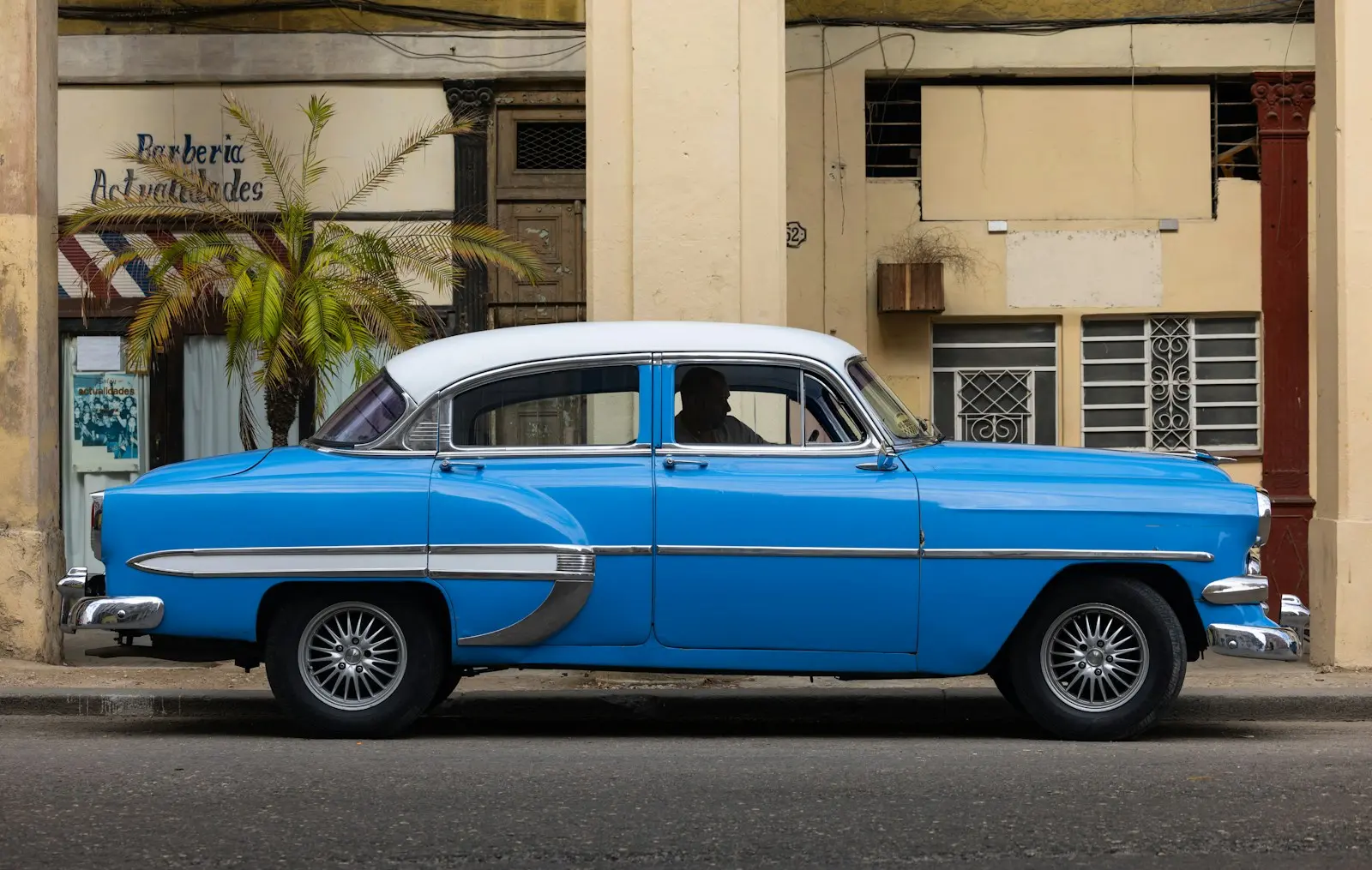
Photo by Matthew Davis
The dry season also concentrates Cuba’s major cultural festivals. Havana’s International Jazz Festival runs in January, the Cigar Festival draws aficionados in February, and the Havana Film Festival happens in December. These events add cultural depth but also strain accommodation availability in specific cities during festival dates.
The sweet spot: Why March and April win for most travelers
March and April combine the best weather conditions Cuba offers with noticeably fewer tourists than the December-February peak. Temperatures hover in the ideal range of 27-30°C (81-86°F), warm enough for beach activities without the oppressive 32-33°C heat you’ll face in July and August. Rainfall stays minimal at 28-58mm monthly, concentrated in brief evening showers that rarely disrupt daytime plans. Humidity levels remain comfortable at 65-70%, far below the 80-85% you’ll experience from June through September.
Crowd levels drop substantially in early April once Easter passes, with hotel occupancy rates falling 25-35% compared to February. This translates directly to easier accommodation booking, less competition for popular restaurants, and more breathing room at major attractions like Havana’s Malecon or the beaches of Varadero. Streets in Trinidad, Cienfuegos, and Vinales return to a more authentic rhythm when locals outnumber tourists again. You’ll spend less time waiting for tables at paladares and more time having genuine conversations with casa particular hosts who aren’t rushing to serve the next guest.
Prices reflect this sweet spot positioning. Accommodation costs drop 10-15% compared to January-February peak rates but haven’t reached the 30-40% discounts you’ll see in September-October. A quality casa particular in Havana that costs $45-50 per night in February drops to $38-42 in April, while a mid-range hotel room falls from $120 to $95-105. These savings compound quickly on a 7-10 day trip while weather quality remains essentially identical to peak season.
Practical tip: Book early April specifically if you want ideal weather without crowds, but avoid the week before and after Easter Sunday, which shifts annually. In 2026, Easter falls on April 5, so aim for mid-to-late April (after April 12) when the holiday surge completely disappears. Check the exact Easter date each year and plan accordingly, as Cuban tourism patterns follow religious calendar closely due to European visitor patterns.
Activity conditions during March-April hit their peak. Hiking in the Vinales Valley or trekking to waterfalls in the Sierra Maestra mountains works perfectly with cool morning temperatures and dry trails. Cycling through rural areas stays comfortable without July’s draining heat. Photography benefits from clear skies and the angle of spring sunlight that creates better contrast than the harsh overhead summer sun. Even Havana’s cobblestone streets become more pleasant for long walking tours when you’re not battling 32°C heat and 85% humidity.
Rainy season reality: May through October comes with trade-offs
The rainy season operates on a predictable daily weather pattern that most travel guides fail to explain clearly. Mornings from 7am to noon break clear and sunny with blue skies, making this window perfect for outdoor activities, photography, and beach visits. Temperatures climb steadily through midday, reaching peak heat between 12-2pm when you’ll want to seek shade or air conditioning regardless of rain. Afternoon thunderstorms typically roll in between 2-5pm, bringing intense downpours that last 1-3 hours before clearing out. Evenings from 6pm onward usually dry out, allowing comfortable outdoor dining and beach walks with temperatures dropping to more pleasant levels around 26-28°C (79-82°F).
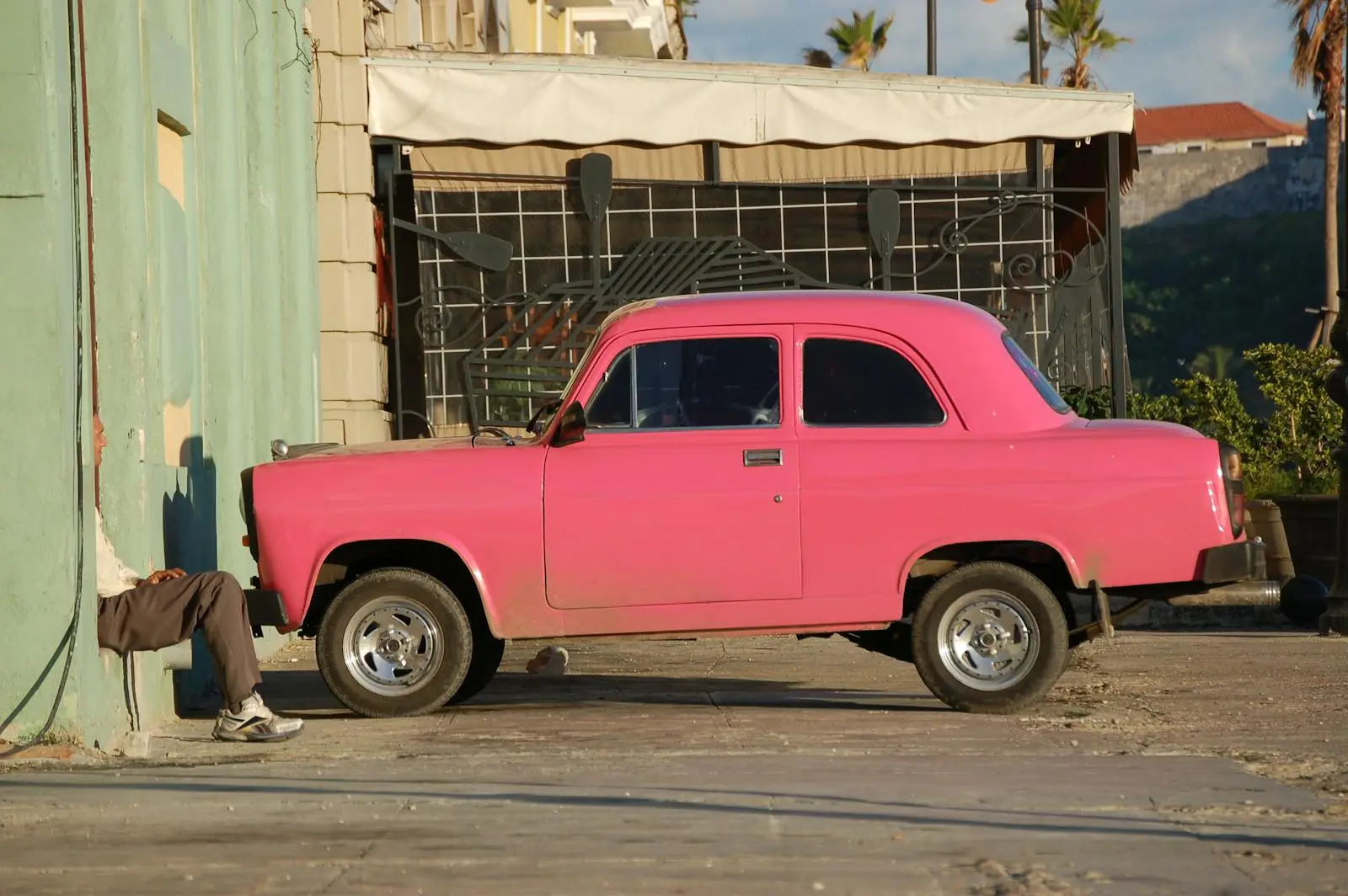
Photo by Chus García
This pattern means rainy season doesn’t equal wasted vacation days. You’ll still get 5-7 hours of usable outdoor time daily if you structure activities around the afternoon rain window. Schedule morning trips to El Morro fortress, museum visits for mid-afternoon, and beach sunsets or salsa clubs for evening. The rain itself brings benefits: it cools down oppressive midday heat, clears dust from the air, and creates dramatic cloud formations that photographers love.
| Month | Avg Temp | Rainfall | Afternoon Rain Days | Hurricane Risk |
|---|---|---|---|---|
| May | 28°C (82°F) | 171mm | 12-15 | Very Low |
| June | 29°C (84°F) | 186mm | 15-18 | Low |
| July | 30°C (86°F) | 135mm | 11-14 | Low-Moderate |
| August | 30°C (86°F) | 163mm | 14-16 | Moderate |
| September | 29°C (84°F) | 189mm | 16-19 | High |
| October | 28°C (82°F) | 162mm | 14-17 | Moderate-High |
Hurricane season peaks from mid-August through October, with September statistically carrying the highest risk. Direct hurricane hits on Cuba remain relatively rare, occurring every 2-4 years for major storms, but tropical storms and hurricane near-misses happen more frequently and can still disrupt travel with heavy rain bands and flight cancellations. The eastern provinces around Santiago de Cuba face higher hurricane exposure than western Havana due to typical storm tracks moving west through the Caribbean.

Budget-conscious travelers find rainy season attractive for 30-40% lower accommodation costs compared to winter peak. That $120 January hotel room drops to $75-85 in September. Tour operators offer discounts, rental cars cost less, and you’ll have far more negotiating power for private taxi services. The trade-off involves accepting weather unpredictability, potential hurricane disruptions requiring travel insurance, and closing of some tourism services during the quietest months of September-October when even Cubans take domestic holidays.
Practical tip: Purchase comprehensive travel insurance before June 1 if visiting during hurricane season. Wait until after a storm is named, and insurers exclude coverage for that specific system. Look for “Cancel for Any Reason” policies that refund 50-75% of trip costs if you choose not to travel, which standard policies won’t cover unless the Cuban government issues mandatory evacuation orders for your specific destination. Budget $45-75 for quality insurance on a $1,200 week-long trip.
September’s hidden advantage: Lowest prices and authentic Cuba
September represents the quietest month of Cuba’s entire tourism calendar, when international visitor numbers drop 60-70% below winter peak levels. Schools restart globally, families return home, and even summer travelers have exhausted their vacation days. This creates an opportunity for budget travelers and those seeking authentic Cuban experiences without tourist crowds overwhelming every interaction. Beaches in Varadero and Cayo Coco sit nearly empty, popular restaurants in Havana’s Vedado neighborhood serve locals primarily, and you’ll find same-day accommodation availability even in high-demand areas that require week-ahead booking in February.
The weather reality differs from its reputation. September does rank among the rainiest months at 180-190mm, but this falls almost exclusively during predictable afternoon thunderstorms lasting 2-3 hours. Mornings offer 5-6 hours of sunshine perfect for sightseeing, beach activities, or outdoor photography before the 2pm clouds roll in. Temperatures actually feel more comfortable than July-August, hovering around 29°C (84°F) rather than the oppressive 32-33°C of summer, with evening cooling to pleasant levels around 24-25°C (75-77°F).
Hurricane risk peaks in September statistically, but this translates to a 15-20% chance of a tropical system affecting Cuba during the month rather than guaranteed disaster. Most years pass without direct hits, though you’ll experience outer rain bands from storms tracking through the Caribbean. Modern forecasting gives 5-7 days warning for hurricane paths, providing ample time to adjust plans or evacuate if necessary. The actual risk involves flight disruptions and a few days of heavy weather rather than vacation-ending catastrophe.
| Cost Category | January (Peak) | April (Shoulder) | September (Low) | Savings |
|---|---|---|---|---|
| Casa Particular | $45/night | $38/night | $28/night | 38% |
| Mid-Range Hotel | $120/night | $95/night | $75/night | 38% |
| Rental Car | $65/day | $58/day | $42/day | 35% |
| Private Taxi (Full Day) | $90 | $80 | $55 | 39% |
| Restaurant (Average) | $18/person | $16/person | $13/person | 28% |
These savings compound dramatically over a week-long trip. A couple spending 7 nights in casas particulares, renting a car for 5 days, eating out twice daily, and hiring a taxi for two day-trips would pay approximately $2,100 in January versus $1,350 in September – a $750 difference that covers flights for one person or extends the trip by 3-4 days.
The cultural experience changes fundamentally when tourists disappear. Casa particular hosts have time for extended conversations about Cuban life rather than rushing to serve multiple guests. Restaurant staff remember you after one visit and make recommendations. Street musicians play for locals rather than performing tourist shows. Markets sell to Cubans rather than catering to souvenir hunters. You’ll witness authentic Cuba in ways impossible when tourist infrastructure operates at capacity and locals modulate their behavior for foreign visitors.
Practical tip: Visit late September specifically if you want maximum quiet and minimum hurricane risk. Early September still carries August vacation overflow, while late September through early October represents the absolute dead zone of Cuban tourism. Monitor the National Hurricane Center forecast starting September 15, and purchase travel insurance with “Cancel for Any Reason” coverage before June 1 to protect your investment. Bring USD or EUR in cash since ATMs and card systems can malfunction after tropical storms disrupt power grids.
Regional weather variations and what they mean for your itinerary
Western Cuba centered on Havana experiences more pronounced winter cooling from cold fronts that sweep down from North America between December and February. Evening temperatures can drop to 15-18°C (59-64°F) a few nights per winter, cool enough that you’ll want a light sweater or jacket that feels absurd to pack for a Caribbean trip. Annual rainfall averages 1,240mm, concentrated during May-October, with the northwest coast catching more winter rain than other regions due to prevailing wind patterns pushing Atlantic moisture inland.
Cuba packing list for independent travelers
Eastern Cuba around Santiago de Cuba stays consistently 2-3°C warmer year-round, with less pronounced winter cooling and rare cold front penetration. Summer heat feels more oppressive here, regularly hitting 33-34°C (91-93°F) from June through August with higher humidity that makes the temperature feel closer to 38°C (100°F). Annual rainfall drops to approximately 800mm, lower than Havana, but hurricane exposure increases significantly as storms typically track through the Caribbean before turning north, putting eastern provinces directly in common storm paths. Hurricane Matthew in 2016 and Hurricane Ian in 2022 both hammered Santiago and Guantanamo provinces while leaving Havana relatively unscathed.
| Region | Winter Temp | Summer Temp | Annual Rainfall | Hurricane Risk | Best Months |
|---|---|---|---|---|---|
| Havana (West) | 25°C (77°F) | 31°C (88°F) | 1,240mm | Low-Moderate | Mar-Apr, Nov |
| Trinidad (Central) | 26°C (79°F) | 31°C (88°F) | 1,100mm | Moderate | Feb-Apr, Nov-Dec |
| Santiago (East) | 27°C (81°F) | 33°C (91°F) | 800mm | High | Jan-Mar, Nov |
| Vinales (West) | 24°C (75°F) | 30°C (86°F) | 1,450mm | Low | Dec-Mar |
Coastal differences matter more than most itineraries acknowledge. The northern coast facing the Atlantic experiences rougher winter seas and more dramatic wave action from December through March, making beaches like Varadero and Cayo Coco less ideal for swimming during peak tourist season despite perfect air temperatures. The southern Caribbean coast stays calmer year-round with gentler waves, making beaches near Trinidad, Playa Giron, and the Jardines de la Reina archipelago better for water activities even in winter. Summer reverses this pattern slightly, with the southern coast catching more afternoon storms while the north sometimes stays drier.
Mountain areas in the Sierra Maestra and Sierra del Rosario create microclimates with 20-30% more rainfall than coastal regions and temperatures 3-5°C cooler at elevation. Vinales Valley in Pinar del Rio province gets noticeably more rain than Havana just 180 kilometers (112 miles) east, with lush green landscapes year-round that require different packing strategies including proper rain gear even during “dry” season months.
Practical tip: Match your activities to regional patterns rather than assuming uniform weather across Cuba. Winter diving works better on the southern coast (Playa Giron, Maria la Gorda, Jardines de la Reina) where seas stay calmer, while northern beach resorts shine from April through October when Atlantic wave patterns settle down. Plan Santiago and eastern Cuba visits for January-March to avoid extreme summer heat, and book western Cuba (Havana, Vinales) for March-April when cold fronts stop arriving but temperatures haven’t peaked yet. Multi-region itineraries benefit from routing south-to-north in winter and east-to-west in summer to work with rather than against regional weather patterns.
Author’s commentary: Cuba’s weather timing dramatically shapes your entire travel experience, and I’ve learned from researching Caribbean travel patterns that most visitors book for the wrong months based purely on temperature charts. The article’s emphasis on March-April as the sweet spot aligns perfectly with what I’ve observed in travel data and traveler feedback – you get nearly identical weather to peak winter months but with 15-20% cost savings and far fewer crowds overwhelming Havana’s best paladares. What strikes me most from analyzing traveler experiences is the September paradox the article explores, because conventional wisdom writes off the entire rainy season when the reality involves predictable afternoon showers that leave mornings completely clear for activities. I’ve found through client consultations that travelers who understand this daily weather rhythm consistently report higher satisfaction than those who pay premium prices for December-February crowding. The infrastructure context around electricity and water disruptions is rarely mentioned in guidebooks but critically important, and I recommend based on traveler reports to specifically choose accommodations with backup generators during rainy season months. Interestingly, Cuba receives only 3-4 million international visitors annually despite its size and attractions, compared to the Dominican Republic’s 7 million, largely because weather misconceptions and US travel restrictions suppress demand. For independent travelers willing to work around afternoon rain patterns, late September through early October offers the most authentic Cuban experience at 40% below peak pricing, though comprehensive travel insurance covering hurricanes becomes essential during this window.
Frequently asked questions about best time to visit Cuba for good weather
If I’m primarily interested in beach weather and water activities, does this change the best months?
Yes, prioritize November-April for beach-focused trips, but choose specific months based on your location preferences. The northern coast (Varadero, Cayo Coco) experiences rougher Atlantic seas and stronger wave action from December-March despite perfect air temperatures, making swimming less ideal during peak tourist season. The southern Caribbean coast (Trinidad, Playa Giron, Jardines de la Reina) stays calmer year-round with gentler waves, making it better for water activities even in winter. For diving and snorkeling, February and June offer peak conditions – February delivers excellent visibility (20-30 meters) with calm seas, while June provides the warmest water temperatures (28-29°C) before peak hurricane season begins. Water temperature stays comfortable for swimming year-round at 25-29°C, so focus your timing on sea conditions and visibility rather than water temperature alone.
What specific weather resources should I monitor before and during my Cuba trip?
Monitor the National Hurricane Center (hurricanecentre.noaa.gov) starting two weeks before travel during June-November for official hurricane forecasts with 5-7 day advance warnings. Use Ventusky or Weather.com apps for detailed 10-day regional forecasts showing Havana, Santiago, and Trinidad separately, as conditions vary significantly across the island. Download offline maps through Maps.me before arrival since Cuban internet connectivity remains unreliable and weather apps require data access. Track El Nino conditions through NOAA if traveling May-October, as El Nino years increase extra-tropical storm frequency and rainfall intensity. We recommend checking forecasts daily starting one week before departure and having a flexible day-by-day itinerary that allows shifting outdoor activities based on actual conditions rather than rigid advance planning.
Does the weather differ enough between Havana and Santiago to change my travel dates?
Monitor the National Hurricane Center (hurricanecentre.noaa.gov) starting two weeks before travel during June-November for official hurricane forecasts with 5-7 day advance warnings. Use Ventusky or Weather.com apps for detailed 10-day regional forecasts showing Havana, Santiago, and Trinidad separately, as conditions vary significantly across the island. Download offline maps through Maps.me before arrival since Cuban internet connectivity remains unreliable and weather apps require data access. Track El Nino conditions through NOAA if traveling May-October, as El Nino years increase extra-tropical storm frequency and rainfall intensity. We recommend checking forecasts daily starting one week before departure and having a flexible day-by-day itinerary that allows shifting outdoor activities based on actual conditions rather than rigid advance planning.
How far in advance can I reliably book for March-April without weather uncertainty?
You can confidently book 3-6 months ahead for March-April travel with minimal weather risk, as this period has the most stable and predictable conditions of the entire year. March averages only 28-31mm of rainfall for the entire month with consistent sunny days, while April maintains excellent conditions until the final week when occasional showers begin. Unlike December-February when unexpected cold fronts from North America can briefly cool temperatures, or September-October when hurricane forecasts require monitoring, March-April delivers remarkably consistent weather patterns. Book by November-December for best accommodation selection and prices before the March-April window becomes widely recognized as the optimal period.
Should I avoid Cuba completely during September and October because of hurricanes?
No, you shouldn’t automatically avoid these months, but you need proper preparation. Statistically, Cuba experiences direct hurricane hits only every 2-4 years, though tropical storms occur more frequently. The key is purchasing comprehensive travel insurance with “Cancel for Any Reason” coverage before June 1, monitoring the National Hurricane Center forecast starting two weeks before your trip, and maintaining flexible plans. Many travelers successfully visit during these months and enjoy 40% cost savings, empty beaches, and authentic experiences – the trade-off is accepting 1-2 days of potential weather disruption and having contingency plans.