

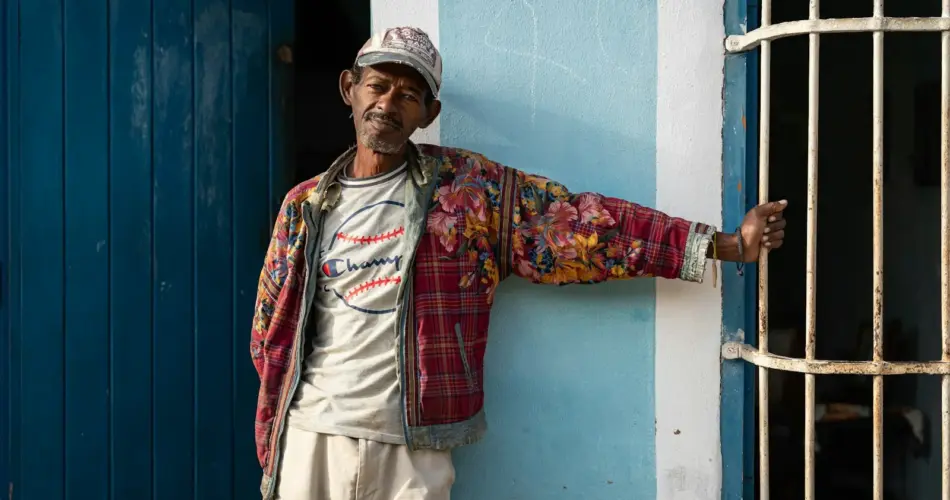
Family travel to Cuba without a tour operator saves you $700-900 daily compared to organized group tours while giving you the freedom to move at your children’s pace. Independent travel lets you stay in local homes, eat authentic meals, and skip the rigid schedules that exhaust young travelers. You control wake-up times, nap breaks, and activity intensity – critical when traveling with kids who need flexibility.
Cuba rewards families willing to plan their own routes. You’ll find casas particulares (private homestays) for $50-80 per night instead of $200+ hotels, eat meals for half the cost of all-inclusive resorts, and create memories in tobacco farms and cave systems far from tourist buses. This guide shows you exactly how to handle visas, book family-friendly accommodation, move between cities with children, budget realistically, and pack for a country where pediatric medications simply don’t exist in pharmacies. The process takes preparation, but thousands of families prove it works – and the savings fund your next adventure.
Why booking your own Cuba trip beats organized family tours
Tour operators charge $339 per person daily for basic Cuba family packages. A family of four pays $1,356 every day, totaling $9,492 for a week. Independent travel costs $260-420 daily for the same family – you pocket $936-1,096 in savings each day, or $6,552-7,672 per week. That difference pays for your flights, covers two more weeks of travel, or goes straight into your savings account.
Group tours lock you into fixed schedules designed for adults without children. Morning departures happen at 8 AM regardless of whether your toddler slept poorly. Bus tours last 3-4 hours when your seven-year-old needs bathroom breaks every 45 minutes. Meal times can’t accommodate picky eaters or kids who need earlier dinners before meltdowns begin. You lose the ability to extend beach days when children are happy or cut museum visits short when they’re restless.
Independent planning lets you design itineraries around nap times, pool breaks, and age-appropriate activities. Stay three nights in Viñales if your kids love the horseback rides, or skip Trinidad entirely if teens prefer more beach time in Playa Larga.
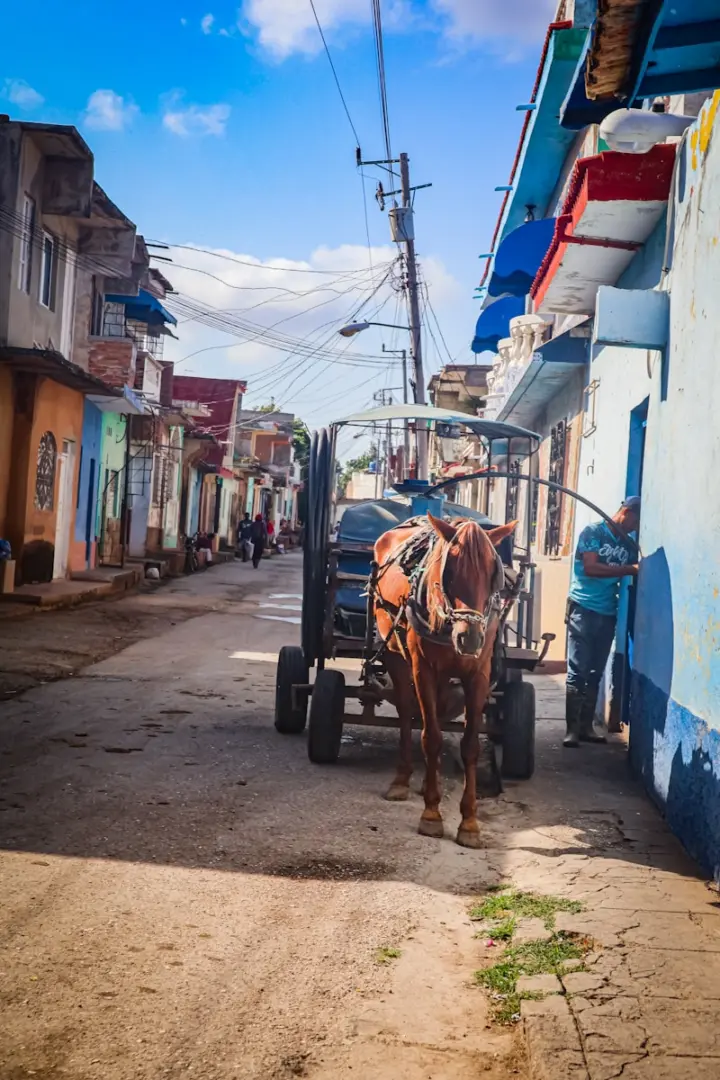
Photo by Meg von Haartman
Book casas particulares where Cuban families cook simple rice and chicken for children who won’t eat spicy food. The authentic cultural immersion happens naturally when you share meals with hosts, learn Spanish phrases from their children, and receive recommendations for playgrounds locals actually use. Tour groups never enter these spaces – you stay in isolated resort compounds or international hotel chains designed to feel identical worldwide.
Practical tip: Calculate your family’s actual tour operator cost before dismissing independent travel as “too complicated.” Take any Cuba family tour package price, divide by days, then multiply by your family size. Compare that daily rate to $260-420 for independent travel. The math becomes clear fast – most families break even on planning time investment after just three days, and every additional day generates pure savings you can reinvest in experiences like private cooking classes ($40 for the whole family) or horseback rides through tobacco valleys ($15-25 per person).
What you need to arrange before your family arrives in Cuba
Cuba introduced mandatory electronic visas (eVisas) in July 2025 for all non-Cuban nationals. You need separate eVisa applications for every family member including infants – there’s no “family application” option. Processing takes 72 hours minimum, so submit applications at least one week before departure to account for potential delays or rejected applications requiring resubmission. The eVisa costs approximately $50 per person and stays valid for 90 days from issue date, allowing a 30-day stay extendable once you’re in Cuba.
All travelers must complete the D’Viajeros online entry form within 72 hours before arrival, replacing the previous paper customs declaration cards. This form captures health information, accommodation addresses, and contact details. Save the confirmation QR code on your phone and print a backup copy – Cuban airport WiFi fails frequently, and immigration officers need to scan your code.
Cuban law requires proof of travel insurance covering medical evacuation for every visitor. Standard travel insurance policies often exclude Cuba or cap evacuation coverage too low for Caribbean medical flights. Verify your policy explicitly lists Cuba and covers pediatric air ambulance transport – Cuban hospitals lack pediatric intensive care equipment and medications, making evacuation to Miami or Mexico City essential for serious childhood illnesses. Insurance costs $40-80 per week for families depending on coverage limits.
| Document | Required for | Processing time | Cost (approx) | Where to obtain |
|---|---|---|---|---|
| eVisa | All family members including infants | 72 hours minimum | $50 per person | Official Cuban embassy websites or authorized agents |
| D’Viajeros form | Everyone (complete 72 hours before arrival) | Instant online | Free | D’Viajeros.mitrans.gob.cu |
| Travel insurance | All travelers (checked at immigration) | Same day to 1 week | $40-80 per family/week | World Nomads, SafetyWing, Allianz with Cuba coverage |
| Tourist card | Varies by nationality (check current requirements) | Often included with eVisa | Included or $25 | Airline check-in desk or Cuban consulate |
| Passport validity | Everyone (6+ months beyond travel dates) | Varies by country | Varies | Your national passport office |
US citizens face additional requirements under the 12 authorized travel categories. Most families qualify under “Support for Cuban People” by staying in casas particulares, eating at privately-owned paladares (restaurants), and using independent guides rather than government agencies. Keep detailed daily schedules and all receipts for five years – US Treasury Department audits happen randomly, and you must prove you followed authorized category requirements. US credit cards don’t work in Cuba, so withdraw enough US dollars before departure to cover your entire trip, then exchange dollars for Cuban pesos at CADECA exchange offices upon arrival (never at hotels, which offer worse rates).
Practical tip: Create a dedicated travel document folder (physical and digital) containing every family member’s passport copy, eVisa confirmation, D’Viajeros QR codes, insurance policy with 24-hour emergency numbers, and vaccination records. Email this folder to yourself and save offline copies on your phone. Cuban WiFi is unreliable – you can’t access cloud documents when immigration officers ask for insurance proof at José Martí International Airport at 11 PM with exhausted children melting down beside you.
Building an itinerary that actually works for your children’s ages
Children’s attention spans and physical capabilities vary dramatically by age, making one-size-fits-all itineraries ineffective for families. A seven-day trip that excites teenagers will exhaust toddlers, while activities perfect for five-year-olds bore thirteen-year-olds. Match your daily structure to your youngest child’s limitations – older kids adapt down more easily than young ones stretch up.
Toddlers and preschoolers need shortened activity windows with frequent breaks
Children ages 0-6 tolerate maximum 3-4 hours of structured activities before behavior deteriorates. Plan mornings for sightseeing (Havana’s Old Town walking tour, Viñales valley overlooks), then return to your casa for lunch, naps, and pool time during the hottest afternoon hours from 1-4 PM. Resume activities in late afternoon when temperatures drop and children recharge.

Photo by Meg von Haartman
Focus on sensory experiences rather than historical or cultural content young children can’t process. Horse and ox cart rides through Viñales tobacco fields give toddlers motion and animals to watch. El Nicho waterfall near Cienfuegos has shallow terraced pools perfect for supervised splashing. Playas del Este and northern Varadero beaches offer calm Caribbean waters and playgrounds. Ice cream at Parque Coppelia in Havana becomes the daily highlight – Cuban children play in the park while you rest on benches watching local life.
School-age kids balance cultural learning with adventure activities
Children 7-12 years old can handle longer days (6-7 hours) mixing education with physical activity. Cave tours at Santo Tomás (Viñales) or Bellamar (Matanzas) combine geology lessons with the excitement of underground exploration. Horseback riding through Valle de los Ingenios near Trinidad covers history and exercise simultaneously. Cooking classes at farms like Finca Tungasuk teach Cuban cuisine while kids participate in making their own meals.
Involve school-age children in daily planning decisions. Show them three activity options each morning and let them vote – ownership increases cooperation. Build in currency lessons by giving kids small amounts of Cuban pesos to buy snacks or souvenirs, teaching math and budgeting through real transactions. Museums offer family discounts (children under 12 often enter free), making cultural sites budget-friendly additions when kids show interest.
Teenagers want independence and adrenaline over family togetherness
Teens 13+ need autonomy within your trip structure or they’ll disengage entirely. Offer adventure activities matching their physical capabilities: scuba diving at multiple island sites, zip-lining through Las Terrazas biosphere reserve or Valle de los Ingenios, rock climbing Viñales mogotes (limestone formations), or water sports like Hobie Cat sailing at beach resorts. These activities let teens separate from younger siblings for a few hours while you supervise from a distance.
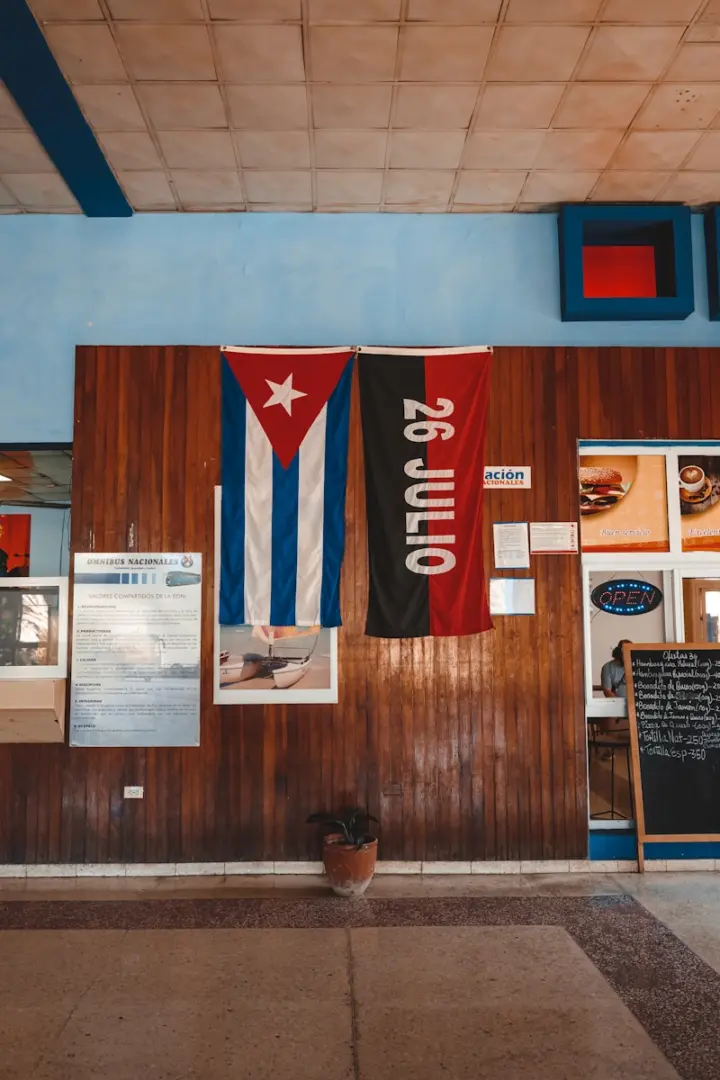
Photo by Mauro Lima
Give teenagers responsibility for planning one full day of your trip. Provide the budget ($100-150 for the family), show them booking platforms, and let them research activities, restaurants, and transport. They’ll engage more when they’ve invested effort, and you teach valuable planning skills. Salsa dance classes in Havana or Trinidad appeal to teens interested in performance, while street photography walks through colorful neighborhoods satisfy creative teens.
| Day | Morning (9 AM – 12 PM) | Afternoon (2 PM – 5 PM) | Evening |
|---|---|---|---|
| 1 | Arrive Havana, casa check-in, rest | Walk Old Town Plaza de Armas, Cathedral Square | Dinner at paladar near casa |
| 2 | Classic car tour Havana highlights (2 hours) | Beach time Playas del Este, lunch at beachside cafe | Return Havana, evening walk Malecón seawall |
| 3 | Viazul bus to Viñales (3 hours), casa check-in | Horseback ride tobacco farms (2-3 hours) | Farm dinner with hosts |
| 4 | Santo Tomás cave tour (2 hours) | Swimming natural pools, rest at casa | Local paladar, live music in town square |
| 5 | Morning valley hike or bike rental | Collectivo taxi to Playa Larga (3 hours), beach casa check-in | Beach sunset, simple dinner |
| 6 | Beach day (snorkeling, swimming, sandcastles) | Continue beach relaxation, lunch at casa | Beach BBQ or nearby restaurant |
| 7 | Morning beach, collectivo return Havana (3 hours) | Final Old Town shopping, pack | Evening flight departure |
This sample itinerary balances culture (Havana), nature (Viñales), and relaxation (beach), with built-in rest periods and flexible timing. Adjust based on your children’s ages – families with toddlers might skip Viñales and add more beach days, while families with teens could add Trinidad for zip-lining and drop one beach day.
Finding and booking family-friendly casas particulares
Casas particulares are Cuban family homes offering paid guest rooms, similar to bed-and-breakfasts but more integrated into daily household life. Unlike hotels, casas give you direct access to Cuban families who cook meals, recommend non-touristy playgrounds, and often have children who play with yours. For families traveling Cuba without tour operators, casas solve accommodation and local knowledge simultaneously.
Search for “family rooms” or “apartments” rather than standard double rooms when booking. Family rooms contain multiple bed configurations – typically one double bed plus two singles, or two double beds – sleeping four people comfortably. Apartments offer separate bedrooms, living areas, and kitchens where you can prepare simple meals for picky eaters or babies needing specific foods. Expect to pay $50-80 nightly for family rooms and $80-120 for full apartments, compared to $150-400 for equivalent hotel space.
Priority amenities for families include pools (essential for afternoon heat breaks), kitchen or kitchenette access (for preparing baby formula, snacks, or simple meals), and backup generators (2026 power outages last 12-24 hours daily across Cuba). Message hosts before booking to confirm these features – listings sometimes show outdated information. Ask specifically: “Do you have a pool children can use?” and “Do you have a generator for power outages?” Direct questions get honest answers.
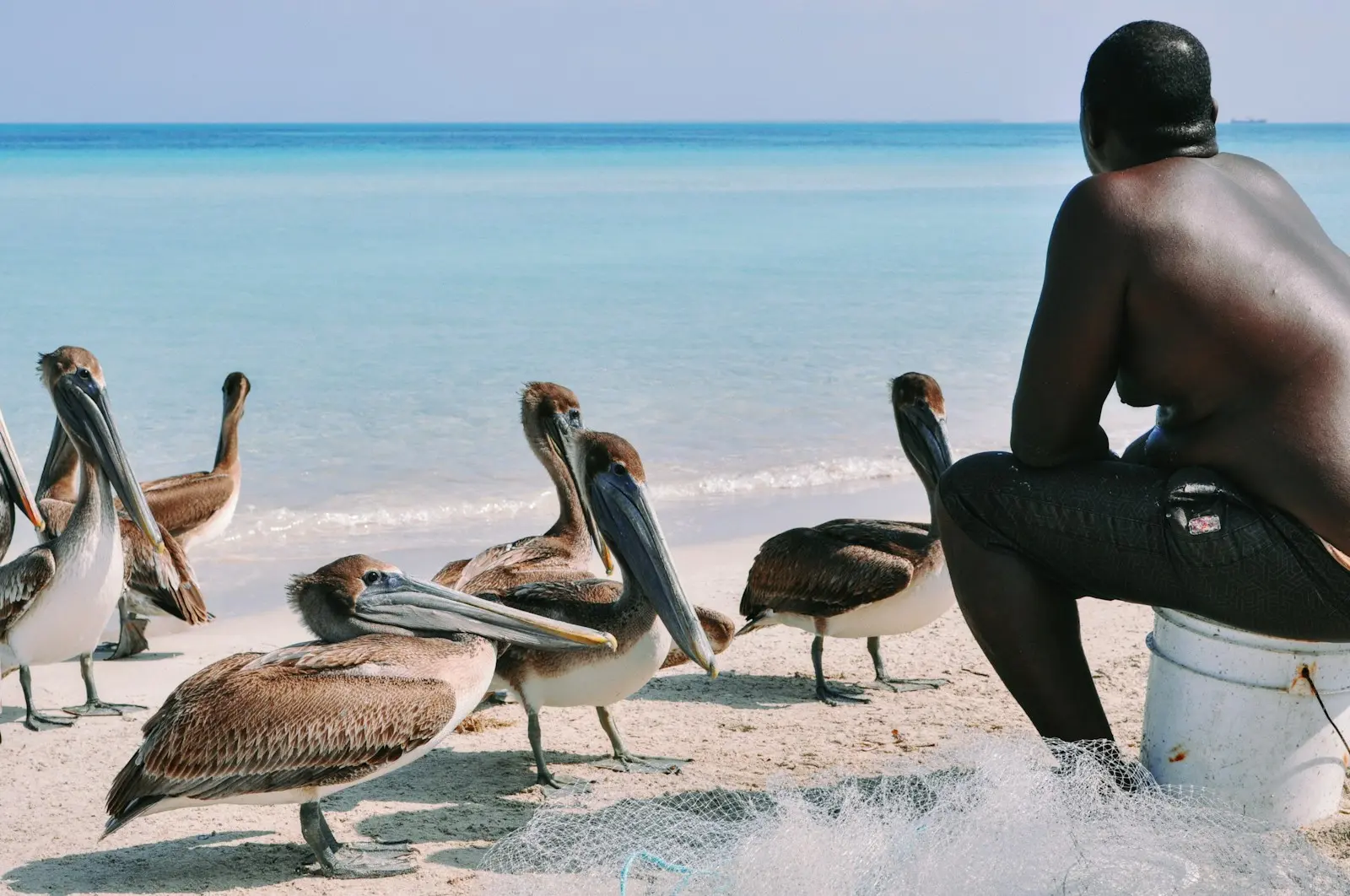
Photo by Bodega
Book through Homestay.com when possible – this platform charges no commission to Cuban hosts, meaning more money reaches the families you’re supporting rather than corporate intermediaries. Airbnb and Booking.com take 15-20% fees from hosts, and those costs often appear in higher nightly rates. All three platforms show verified reviews from families, which matter more than star ratings. Search reviews for phrases like “great with kids,” “prepared simple meals for children,” or “helped us find playgrounds” to identify family-friendly hosts.
| Factor | Casa particular | Hotel/resort |
|---|---|---|
| Cost (family of 4) | $50-120/night for family room or apartment | $150-400/night for equivalent space |
| Meals | Breakfast $5-10/person, dinner $10-15/person, cooked to order | All-inclusive $110+/night per person, fixed menus and times |
| Cultural immersion | High – live with Cuban family, share meals, get local advice | Low – isolated resort or international hotel chain |
| Flexibility | High – negotiate meal times, late check-in, extra services | Low – fixed check-in times, restaurant hours, rigid policies |
| Child-friendliness | Varies – check reviews, some hosts have kids and toys | Varies – resorts have kids clubs, but less personal attention |
| Kitchen access | Often available in apartments | Rare – usually not allowed in rooms |
Reserve casas 2-3 months ahead for high season (December-May) when availability drops and prices rise. Low season (June-November, excluding July-August) allows booking just 2-4 weeks ahead. However, 2026 economic conditions make even low season more competitive – fuel and power shortages pushed some Cubans to rent extra rooms for income, but also caused others to stop hosting when generator fuel became unavailable. Always book directly through platforms with payment protection rather than sending money via Western Union or informal channels promoted in Facebook groups.
Practical tip: Contact your first-night casa host one week before arrival and ask them to help book your second and third casas in other cities. Cuban hosts have networks of trusted friends and family in other regions who run quality casas not always listed online. This “host referral chain” often gets you better rooms at lower prices than platform listings, plus your first host calls ahead to confirm your arrival time, eliminating the communication difficulties foreign travelers face with limited Spanish and unreliable Cuban phone networks. Budget an extra $5-10 tip for the referring host to acknowledge their help.
Getting around Cuba with kids without depending on tour buses
Cuba offers three primary transport options for families: rental cars, Viazul tourist buses, and collectivo shared taxis. Each works for different family structures, budgets, and risk tolerances. You don’t need tour operators to move between cities – independent families successfully use all three methods, often combining them within single trips.
Self-drive rental cars give maximum flexibility but require preparation
Rental cars cost $69-120 daily depending on vehicle size and season, with mandatory full insurance adding $15-25 daily. REX and Cubacar are the main state-run rental agencies with airport locations. Book online months ahead – Cuba’s car rental fleet is limited and high season (December-May) sees frequent sellouts. Bring your home country driver’s license, passport, and credit card for the deposit (cash deposits sometimes accepted but require significantly more money upfront).
Cuban rental cars don’t include GPS navigation systems and Cuban cell networks don’t support Google Maps offline reliably. Purchase physical paper maps at airport bookstores before leaving Havana, or download offline map apps like Maps.me before departure. Roads are generally safe but poorly maintained – expect potholes, missing signs, and livestock wandering across highways. Avoid night driving when potholes become invisible and rural roads lack streetlights.
Critical limitation: rental agencies don’t provide child car seats, and importing car seats into Cuba faces customs complications. Bring your own car seats from home, even though it’s inconvenient for luggage space. Cuban rental cars are often 1950s-era classics or 1980s Soviet models lacking seatbelts – modern rental vehicles have seatbelts, but verify before accepting the car. Fuel shortages throughout 2026 mean gas stations frequently run dry. Fill up whenever you find available fuel, carry 5-10 liters extra in approved containers, and plan routes through larger cities where fuel is more reliable.
Viazul buses offer affordable inter-city transport despite recent disruptions
Viazul operates tourist buses with air conditioning, bathrooms, and reserved seating between major cities. Tickets cost $10-25 per person depending on distance – Havana to Viñales runs $12, Havana to Trinidad costs $25. Children under two sit on laps for free, ages 2-11 pay half price. Book tickets online at viazul.com (requires VPN from outside Cuba) or at bus station ticket windows the day before departure.
Long bus rides (3-5 hours) challenge young children who can’t stay seated that long. Bring entertainment (coloring books, tablets with downloaded movies, card games), snacks, and changes of clothes for accidents. Viazul bathrooms are basic and sometimes run out of toilet paper mid-journey – pack your own. Buses run on schedule when fuel is available, but 2026 shortages caused increasing cancellations. Always have a backup transport plan, and arrive at stations early to confirm your bus is actually running that day.
Collectivos provide door-to-door transport but cost more per trip

Photo by Monique Caraballo
Collectivos are shared classic cars or modern sedans operating as informal taxis between cities. Drivers pick you up from your casa and drop you at your destination casa, eliminating the need to navigate unfamiliar bus stations with children and luggage. Rides cost $30-50 per person for standard routes (Havana-Viñales, Havana-Trinidad), with family discounts sometimes negotiable for four passengers filling the whole car.
Ask your casa host to arrange collectivos the evening before your departure. Hosts call trusted drivers, confirm prices upfront, and ensure the driver knows your destination address. This eliminates common scams where drivers claim to know your casa, then drive around lost while the meter runs (collectivos charge flat rates, not metered, but dishonest drivers invent “fuel surcharges” or “waiting fees” when tourists can’t communicate in Spanish). Collectivos don’t have car seats – you’ll hold young children on laps, which is standard practice throughout Cuba despite not meeting Western safety standards.
| Transport type | Cost (family of 4, Havana-Viñales 180km) | Duration | Pros | Cons |
|---|---|---|---|---|
| Rental car | $35-50 (daily rate ÷ 3 days) | 2.5-3 hours | Freedom to stop, explore, adjust schedule | No GPS, no car seats, fuel shortages, driving stress |
| Viazul bus | $36-48 ($9-12 per person) | 3-4 hours | Cheapest, reliable schedule when running | Long rides hard for kids, no flexibility, fuel shortage cancellations |
| Collectivo taxi | $120-200 ($30-50 per person) | 2.5-3 hours | Door-to-door, no navigation needed, split cost among family | Most expensive, no car seats, quality varies by driver |
Practical tip: Mix transport types across your trip to balance costs and convenience. Rent a car for 2-3 days covering multiple destinations in one region (Viñales valley plus nearby Las Terrazas), then return it and use Viazul or collectivos for long hauls between regions. This strategy cuts rental costs by 60% while keeping driving stress contained to short rural roads where getting lost matters less. You’ll save $200-400 over renting a car for your entire week, and kids stay happier with varied transport experiences – they love vintage collectivo rides but get bored after days in rental cars.
The real cost of family travel to Cuba without a tour operator
Independent family travel to Cuba costs $260-420 daily for four people (two adults, two children) depending on your accommodation choices, meal preferences, and activity intensity. That range covers all expenses: casas, food, transport, activities, and miscellaneous costs. Tour operators charge $1,356 daily for the same family ($339 per person for basic Intrepid Travel family packages), making independent travel 70-80% cheaper.
Accommodation represents your largest daily expense at $50-80 for family rooms in casas particulares. Havana and Trinidad casas charge toward the upper end ($70-80), while Viñales and Playa Larga stay cheaper ($50-60). Apartment rentals with kitchens cost $80-120 but let you cook some meals, reducing food expenses. Hotels start at $150 nightly and quickly reach $300-400 for family rooms with pools and amenities comparable to nice casas.
Food costs $20-30 per person daily when eating all meals at casa dinners and paladares (private restaurants). Casa breakfasts run $5-10 per person (fresh fruit, eggs, bread, coffee, juice – filling meals that power morning activities). Casa dinners cost $10-15 per person for home-cooked Cuban staples: rice, black beans, pork or chicken, plantains, and salad. Children under five often eat free or half-price at casas when you ask hosts to prepare smaller portions. Paladares charge similar prices ($10-25 per person) but offer more menu variety for picky eaters who won’t eat black beans.
Transport averages $10-20 per person daily when you mix Viazul buses, occasional collectivos, and local taxis. Your actual daily transport cost varies dramatically – days you stay in one location cost zero, while travel days moving cities cost $40-200 for the whole family depending on your chosen method. Budget by trip, not by day: a seven-day trip includes 2-3 inter-city travel days, so total transport might be $200-400 for the week ($28-57 daily when averaged across all seven days).
Activities cost $10-15 per person daily, though many Cuban experiences are free or deeply discounted for children. Museum entry runs $2-8 (often free for kids under 12). Horseback rides cost $15-25 per person for 2-3 hour guided trips. Cave tours charge $10 per adult, $5 per child. Beach days, playground time, walking tours of city plazas, and evening music in town squares cost nothing. The most memorable Cuban experiences – watching locals play dominos, swimming in natural pools, learning Spanish phrases from casa hosts’ children – happen free.
| Expense category | Daily cost (family of 4) | Weekly cost (7 days) | Notes |
|---|---|---|---|
| Accommodation | $50-80 | $350-560 | Casas particulares (family rooms) |
| Food | $80-120 | $560-840 | All meals at casas/paladares, includes kids’ discounts |
| Transport | $30-60 | $210-420 | Averaged across travel and stationary days |
| Activities | $40-60 | $280-420 | Mix of paid attractions and free experiences |
| Miscellaneous | $20-40 | $140-280 | Snacks, tips, small souvenirs, unexpected costs |
| Total independent | $260-420 | $1,820-2,940 | Full week for family of 4 |
| Tour operator | $1,356 | $9,492 | Intrepid Travel example for same family |
| Savings | $936-1,096/day | $6,552-7,672/week | Money kept by planning independently |
Reduce costs further by cooking breakfasts in apartment casas ($15-20 for groceries feeding the family for three days), choosing free activities more often (beaches, playgrounds, town squares), and traveling during low season May-June or September-November when casa rates drop $10-20 nightly. Negotiate longer stays at single casas – hosts often discount the nightly rate 10-20% when you book four or more consecutive nights.
Practical tip: Withdraw all cash you’ll need for your entire trip within your first 24 hours in Cuba. Calculate your daily budget ($260-420), multiply by trip days, add 30% buffer for emergencies and nice surprises, then withdraw that total in Cuban pesos from CADECA exchange offices (official government exchange) not hotels. ATMs fail constantly, many don’t accept foreign cards, and rural areas lack ATMs entirely. Running out of cash in Viñales with no way to get more while your kids need to eat is preventable stress – you’ll carry $2,000-3,500 in mixed bills (mix of 50, 100, 200, 500 peso notes), which feels scary but is standard practice for foreign families in Cuba’s cash-only economy.
What to pack when tour operators aren’t handling your supplies
Cuba faces severe shortages of basic products foreign families expect to buy locally, particularly items for children. Power outages lasting 12-24 hours daily disrupt refrigeration and manufacturing, fuel shortages prevent restocking shipments to stores, and economic conditions mean imported goods disappeared from shelves months ago. Tour operators stock supplies in advance or import items for guests – independent families must bring everything from home.
Pediatric medications are impossible to find in Cuban pharmacies. Bring complete supplies of children’s acetaminophen (Tylenol), ibuprofen (Advil), antihistamines for allergic reactions, oral rehydration salts for diarrhea, motion sickness medication, and any prescription medications your children take regularly. Pack double the quantity you expect to need in case your trip extends unexpectedly or another family faces an emergency and you can share. Cuban hospitals treating foreign children will ask parents to supply basic medications – they literally cannot treat your child without the medicines you provide.
Diapers exist in Havana and Varadero stores but quality is poor (frequent leaks) and prices are high ($1-1.50 per diaper). Baby wipes vanished entirely from Cuban retail – bring your complete trip supply plus extras. Formula feeding parents must bring full formula supplies; Cuban formula brands differ significantly from Western brands and switching suddenly causes digestive problems for babies. Pack formula in original sealed containers to speed customs clearance, plus bring bottles, nipples, and bottle brushes since Cuban stores don’t stock them.
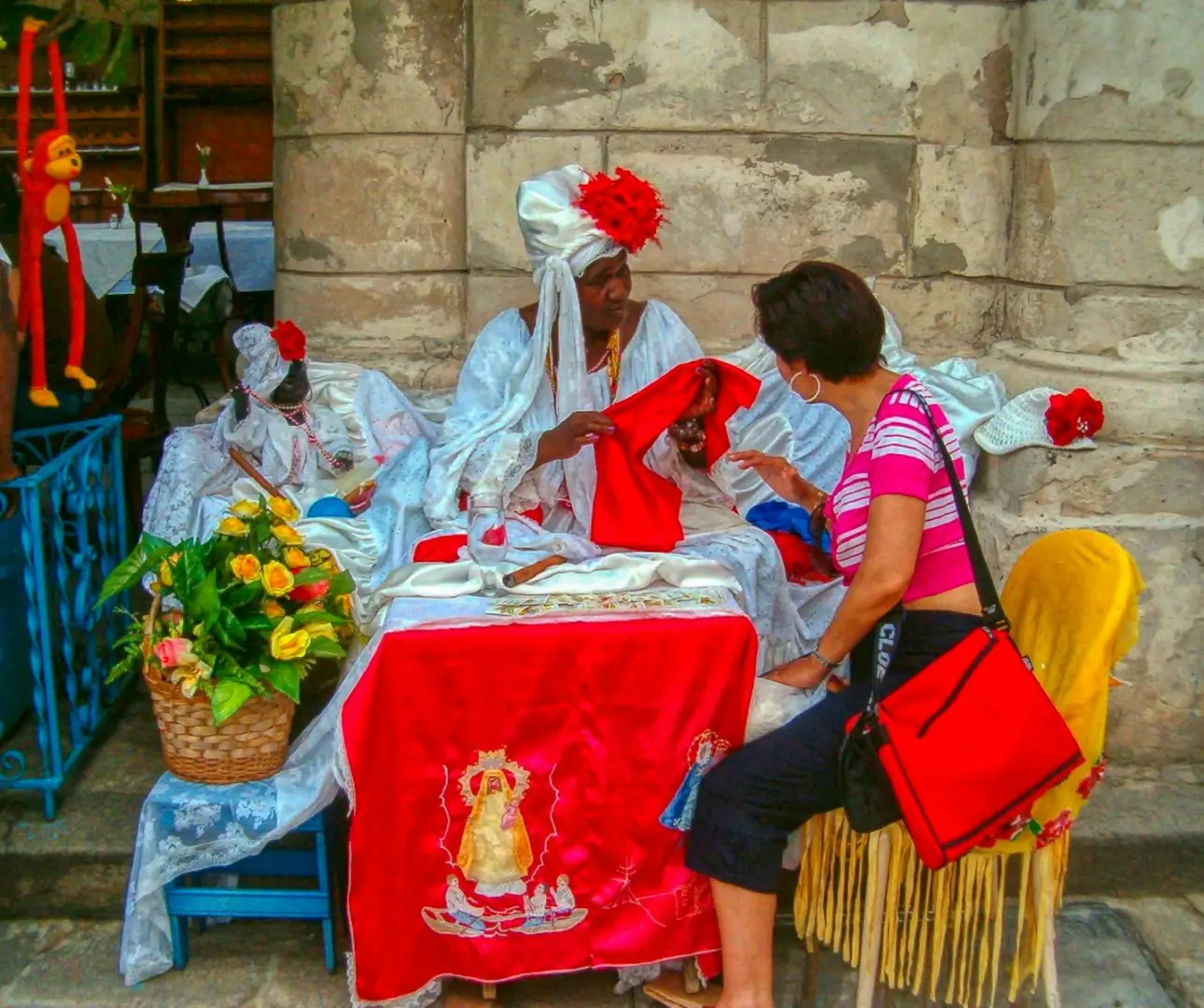
Photo by Jobove Reus
Sunscreen is nearly impossible to find outside major tourist hotels. Bring 4-5 large bottles for a two-week family trip – Caribbean sun burns exposed skin in 15-20 minutes, and children need reapplication every two hours. Bug spray with DEET 20-30% protects against mosquitoes carrying dengue fever (Cuba has no malaria but dengue appears in rainy season). Prescription medications for adults need double supplies plus copies of prescriptions with generic drug names – Cuban customs occasionally questions large medication quantities, and prescription copies prove legitimate medical need.
- Baby and child gear: Portable travel cot (casas don’t provide cribs), baby carrier or wrap (strollers fail on cobblestone streets and broken sidewalks), car seat (rentals don’t provide), portable changing pad
- Water and hygiene: Reusable water bottles for everyone, water filter bottles or purification tablets (bottled water scarce in 2026), hand sanitizer (bathrooms often lack soap), toilet paper (1 roll per family per week minimum), feminine hygiene products (Cuban options are poor quality)
- Power and connectivity: Portable power bank 20,000+ mAh capacity (charge phones during outages), flashlight or headlamp with extra batteries, universal power adapter (Cuba uses US-style plugs, 110V), physical paper maps (GPS unreliable)
- Entertainment for travel days: Coloring books and crayons, small magnetic games, playing cards, tennis ball (Cuban parks have open spaces), tablet loaded with downloaded movies (assume no WiFi)
- Clothing and extras: Light, breathable clothes that dry quickly (you’ll hand-wash frequently), hat and sunglasses for everyone, light rain jacket (afternoon storms common), extra t-shirts and small toys to gift Cuban families (deeply appreciated and appropriate way to give back)
Pack items in carry-on luggage whenever possible – Cuban airports lose checked bags regularly, and replacing lost items in Cuba is nearly impossible. Distribute critical supplies (medications, passports, cash) across multiple family members’ bags so losing one bag doesn’t eliminate access to essentials.
Practical tip: Create a packing list using your phone’s notes app, then check off items as you pack them into specific bags (red backpack, blue suitcase, mom’s purse). Share this list with your travel partner so both adults know which bag contains medications, which has phone chargers, and where extra diapers are stored. When your toddler has a fever at 2 AM in a casa with a power outage and no working phone flashlight, you’ll find children’s Tylenol in 30 seconds instead of dumping three bags in the dark while your child cries. This system saved multiple families in online travel forums when real emergencies happened.
Staying safe and handling problems without tour group support
Cuba is one of Latin America’s safest countries for families, with violent crime rates comparable to Costa Rica or Portugal. You’ll walk Havana streets at night without concern, and children play in plazas while parents relax on nearby benches. Petty theft (pickpocketing, bag-snatching) concentrates in dense tourist areas like Havana Viejo and Trinidad’s colonial center – keep phones and wallets in front pockets, wear backpacks on your front in crowds, and don’t display expensive cameras around your neck as obvious tourist markers.
Common scams target foreign families more than safety threats. Taxi drivers “forget” to mention the agreed-upon flat rate and demand double at your destination. Self-appointed “tour guides” offer to show you authentic restaurants, then take you to their cousin’s overpriced paladar where they collect commission. Friendly locals strike up conversations, walk with you for blocks, then expect $5-10 tips for their “tour guide services” you never requested. Avoid these by confirming prices before entering taxis (have your casa host write the expected fare on paper), politely declining unsolicited help (“no gracias, estamos bien”), and booking guides through your casa hosts rather than accepting street offers.
Current 2026 conditions create more practical challenges than security risks. Daily power outages lasting 12-24 hours mean:
- Charge all devices whenever power is available
- Keep portable power banks fully charged to run phones during outages
- Use flashlights or headlamps for nighttime bathroom trips when lights fail
- Accept that WiFi won’t work during outages (hotels sometimes have generators, most casas don’t)
Fuel shortages impact transport reliability. Viazul buses cancel routes when fuel becomes unavailable. Rental cars strand families between cities when gas stations run dry. Collectivos refuse long-distance trips to conserve fuel. Build extra buffer days into itineraries so missing one bus doesn’t ruin your whole trip. Ask casa hosts daily about current fuel and power situations in your next destination before traveling – they have better information than you’ll find online.
Health preparation matters more than typical vacations because Cuban hospitals lack basic supplies. Get age-appropriate vaccinations before departure: Hepatitis A for everyone over age one, Typhoid for children over age two (verify with your pediatrician). Bring prescription copies showing generic drug names in case Cuban doctors need to prescribe alternatives. Travel insurance must explicitly cover Cuba and include pediatric medical evacuation – serious childhood illnesses or injuries require air ambulance to Miami or Mexico City ($15,000-50,000 per flight). Standard travel insurance often excludes Cuba entirely or caps evacuation coverage too low.
Practical tip: Save these emergency contacts in your phone with full details including backup numbers and addresses, then print a paper copy stored with your passports in case phone batteries die during emergencies. US Embassy Havana: Calzada between L and M Streets, Vedado, Havana (emergency line +53-7-839-4100). Canadian Embassy: Calle 30 No. 518, Miramar, Havana (+53-7-204-2516). Hermanos Ameijeiras Hospital: San Lázaro 701, Centro Habana (24-hour emergency, accepts foreigners, +53-7-877-6524). Many casa hosts know local family doctors making house calls for minor illnesses – ask your host before rushing to hospitals for simple problems like ear infections or mild stomach bugs. These doctors charge $20-40 for visits and carry basic antibiotics and medications (though increasingly limited in 2026). Your casa host calling their family doctor saves you four hours in hospital waiting rooms and often delivers faster, more personal care.
Your independent Cuba family adventure starts with preparation, not luck
Family travel to Cuba without a tour operator requires more planning than beach resort vacations but rewards you with authentic cultural immersion, budget savings of $900+ daily, and freedom to design experiences matching your children’s specific ages and interests. You’ve now seen exactly how to handle eVisas and entry requirements, book family-friendly casas that solve accommodation and local knowledge simultaneously, choose transport options balancing cost and convenience, budget realistically at $260-420 daily, and pack critical supplies unavailable in Cuban stores.
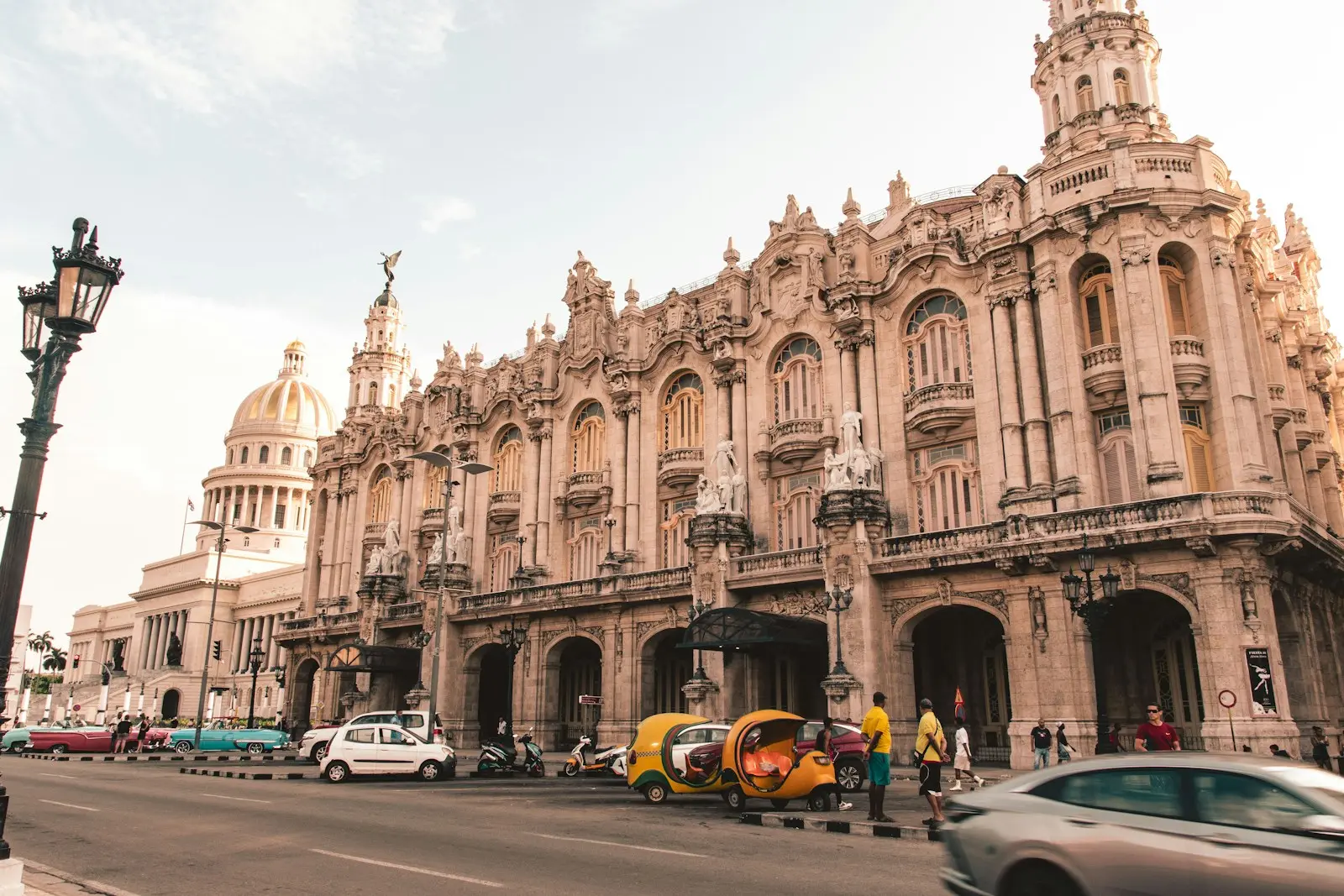
Photo by Manuel González Asturias, SJ
Start your preparation three months before departure: submit eVisa applications, research and book first-night casas in each destination, purchase comprehensive travel insurance covering pediatric evacuation, and begin assembling your packing list of medications and supplies. Join Facebook groups like “Cuba Travel Tips” where current families share real-time conditions and answer specific questions about traveling with children. Download offline maps, translation apps, and save emergency contacts before leaving home – assume you’ll have zero internet access for days at a time.
Thousands of families successfully create their own Cuba adventures every year without tour operators. The process demands preparation, flexibility when plans change due to fuel shortages or power outages, and realistic expectations about infrastructure limitations. But you’ll create memories impossible on organized tours: your seven-year-old learning Spanish phrases from your casa host’s daughter, your teenager mastering salsa steps from a Trinidad dance instructor, your toddler splashing in natural pools with Cuban families spending their Sunday afternoon the same way. Independent family travel to Cuba challenges you more than resort vacations – and delivers experiences ten times richer because of those challenges.
Author’s commentary: Independent family travel has surged 47% since 2022 as travelers increasingly reject packaged tours in favor of authentic cultural immersion, and Cuba represents both the ultimate test and reward of this approach. This comprehensive guide distinguishes itself by confronting the 2026 reality that most Cuba travel content ignores – daily power outages, fuel scarcity, and medication shortages that fundamentally alter trip planning.
The cost analysis proves particularly compelling: saving $6,500-7,600 weekly isn’t just budget optimization, it’s the difference between affording the trip at all versus staying home. What makes this piece valuable is the age-segmented itinerary framework, addressing the fact that a toddler’s heat tolerance and a teenager’s adventure appetite require completely different daily structures. The practical tips move beyond generic advice into territory that matters when things go wrong, like distributing medications across multiple bags or having casa hosts arrange collectivos to avoid scams.
Interestingly, despite Cuba receiving 4.7 million tourists in 2019, fewer than 8% traveled independently without pre-arranged tours or resort packages, largely due to perceived complexity this guide directly dismantles. The honest assessment of current infrastructure challenges – bringing your own car seat because rentals don’t provide them, packing double the medications you need – builds credibility rather than discouraging readers. For families considering Cuba in 2026-2027, the key insight is that independent travel demands significantly more preparation but delivers exponentially richer experiences, and this guide provides the exact operational playbook that converts complexity into manageable steps.
Frequently asked questions about family travel to Cuba without a tour operator
Which months work best for families visiting Cuba – considering weather, crowds, and my children’s school schedule?
March-April and November offer the best balance for families: dry weather (low rain, 24-28°C / 75-82°F), fewer crowds than December-February peak season, and casa prices 15-20% lower. June-August brings summer vacation freedom but also hurricane season, extreme heat (30-35°C / 86-95°F) that exhausts young children, and afternoon storms disrupting beach days. Avoid September-October entirely – peak hurricane months with frequent flight cancellations and severe weather. December-February offers perfect weather but maximum crowds, highest prices, and full bookings requiring 4+ months advance planning.
Can US families legally travel to Cuba independently, or do we need to book through authorized tour companies?
US families can legally travel independently to Cuba under the “Support for Cuban People” category without using authorized tour operators. You must maintain a full-time schedule of activities supporting Cuban entrepreneurs (staying in casas particulares, eating at privately-owned paladares, hiring independent guides), keep all receipts, and document your daily itinerary for five years in case of Treasury Department audits. The key is avoiding government-owned hotels and restaurants – casas and paladares automatically qualify you for this category, making independent family travel completely legal.
What’s the actual protocol if my child gets sick in Cuba and needs a doctor?
Ask your casa host to call their family doctor for house calls first – most Cuban doctors make home visits for $20-40 and can treat common childhood illnesses like ear infections, stomach bugs, or mild fevers using medications you brought from home. If the situation is serious (high fever lasting 24+ hours, difficulty breathing, severe dehydration), go to Hermanos Ameijeiras Hospital in Havana or contact your travel insurance’s 24-hour emergency line immediately for evacuation coordination. Bring a complete pediatric first aid kit because Cuban hospitals will ask you to provide basic medications, IV supplies, and even bandages for your child’s treatment.
How far in advance should I book casas and transport if I’m planning independent family travel for December or January?
Start booking your first-night casa in each city 3-4 months ahead for December-January (Cuba’s peak family travel season), as family rooms and apartments with pools fill up fast. However, only book your first two locations initially – once in Cuba, have your first casa host help arrange your third and fourth casas through their local networks, which often gets better availability and prices than online platforms. Book Viazul bus tickets 2-3 weeks before travel dates, but wait to arrange collectivos until 24-48 hours before departure through your current casa host, as fuel availability in 2026 makes early booking unreliable.