

Serbia is a fascinating country to explore, but it’s important to know the do’s and don’ts that will make your experience unforgettable. First, don’t underestimate the warmth and hospitality of the Serbian people, who are eager to share their wonders with visitors. Second, don’t rely solely on English during your Serbian escapade, but embrace local words and expressions to show respect for the local culture. Third, don’t forget to respect the environment and cultural heritage, and take care not to pick wildflowers or take a souvenir stone from a historic site. Serbia offers a culinary adventure like no other, with delicious desserts like Kremnita and trudla sa vinjama.
Welcome, fellow travelers and adventure seekers! Today, we embark on a thrilling journey to the captivating land of Serbia. As we traverse through its rich history, vibrant culture, and breathtaking landscapes, it’s crucial to be aware of the do’s and don’ts that will make our experience truly unforgettable. So, fasten your seatbelts and get ready for an exhilarating ride as we explore the things tourists shouldn’t do in Serbia.
Now, let’s start with the first cardinal rule: thou shalt not underestimate the warmth and hospitality of the Serbian people. They take great pride in their country and are eager to share its wonders with visitors. So, why not engage in conversations with the locals? Ask them about their favorite hidden gems, seek recommendations for traditional delicacies, or simply listen to their captivating stories. Remember, the best travel experiences often come from connecting with the people you meet along the way.
Next, let’s address an important question: should we rely solely on English during our Serbian escapade? While English is commonly understood in major tourist areas, venturing off the beaten path might require some basic knowledge of Serbian phrases. Embracing a few local words and expressions can go a long way in forging genuine connections and showing respect for the local culture. So, why not impress the locals by saying “Dobar dan” (good day) or “Hvala” (thank you)?
As we explore Serbia’s mesmerizing cities and towns, we must be mindful of the country’s recent history. Remember, Serbia endured a tumultuous past, and topics like politics and war can still evoke strong emotions. While learning about the country’s history is enlightening, we should approach discussions on sensitive topics with sensitivity and empathy. Instead, let’s focus on celebrating Serbia’s vibrant culture, delectable cuisine, and the enchanting sights awaiting us.
Now, picture this: we find ourselves in the picturesque countryside of Serbia, surrounded by lush vineyards and idyllic landscapes. It’s natural to feel the urge to pick some wildflowers or take a souvenir stone from a historic site, but hold on! Let’s preserve the beauty of Serbia for generations to come. Respecting the environment and cultural heritage is paramount, so let’s leave nature untouched and historical artifacts where they belong. Instead, let’s capture the essence of Serbia through our photographs and memories.

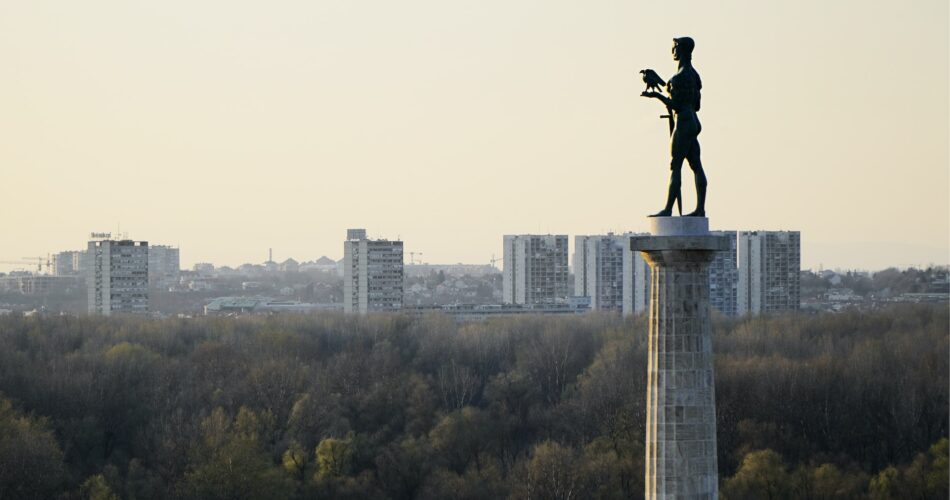
Belgrade, Serbia
Ah, the moment we’ve all been waiting for Serbian cuisine! From mouthwatering Ćevapi to scrumptious Gibanica, the country offers a culinary adventure like no other. But here’s a crucial tip: don’t fill up on the main course and forget about the delightful desserts! Indulge in a slice of heavenly Kremšnita or a bite of irresistible Štrudla sa višnjama. Are you ready to embark on a gastronomic odyssey and savor the tantalizing flavors of Serbia?
Lastly, let’s talk about transportation. Serbia boasts an efficient network of buses, trains, and taxis, making it convenient to explore the country. However, remember that rush hour traffic can be heavy in major cities. So, why not immerse ourselves in the local rhythm by walking or cycling whenever possible? Not only will we avoid the traffic, but we’ll also stumble upon hidden gems tucked away in narrow alleys or vibrant street art adorning the walls.
What Tourists Shouldn’t Do In Serbia?
Fasten your seatbelts, ladies, and gentlemen, and prepare for an exciting trip through Serbia, the Balkans’ hidden gem. Today, we’ll discuss what to do and what not to do when traveling in Serbia. This will ensure that your trip is fun and memorable but also safe and easy. So, get your sense of humor ready, and let’s get started!
First, let’s talk about a sensitive subject that might come up during your visit. When talking about the war in the 1990s or the conflict in Kosovo, it’s important to be careful and mindful of how people feel and what they’ve been through. Serbia has a long and complicated history, so it’s important not to judge or hurt anyone by making hasty assumptions or insensitive comments. So, let’s be careful when we talk about these things and try to learn and understand instead of passing judgment.

Kalemegdan, Belgrade, Serbia
Now, picture yourself walking through the charming streets of Belgrade, taking in the city’s lively energy. You meet a nice stranger who starts a conversation with you. A word of advice: Never compare Serbia to any country in the Middle East, especially Turkey. For over 400 years, the Ottoman Empire ruled Serbia. This is a sensitive subject. So, let’s not make any mistakes and stop making comparisons. After all, Serbia is a country with its own unique culture and history.
Ah, transportation. We all have to figure it out when we travel. If you’re in Belgrade, watch out for the private taxis known for overcharging tourists who don’t know what’s happening. How do you know who they are? Look for plain white signs with a taxi number and no company name. And here’s a pro tip: the letters “TX” at the end of the taxi’s license plate are a good sign. That’s how you’ll know you’re getting into a real taxi. Remember, we want to see as much of Serbia as possible without going broke.

Let’s not be slow as we walk through the busy streets of Belgrade during rush hour. Why, you may ask? Well, there are two. First of all, pickpockets like to hang out in busy places, and we don’t want them to ruin our trip. Second, people who are rushing to work, school, or other places might not like us getting in their way. So, let’s keep things moving quickly, stay alert, and fit in with the city’s busy rhythm.
Now, let’s talk about those nice people who might come up to you out of the blue and try to sell you something. Even though there are a lot of kind people in Serbia, it’s always best to be careful. Usually, if something looks too good to be true, it is. So, unless you know for sure that the person is a real Good Samaritan, it’s best to politely refuse and move on. We should always put our safety and peace of mind first.

Novi Sad, Serbia
In general, Serbia is a safe place for tourists to visit. The crime rate is about the same as in other European countries. But, as with any trip, it’s important to use common sense and take safety measures. Keep your things safe and in plain sight, especially in busy places where a lot of people go. Remember that a little care goes a long way toward ensuring your trip is worry-free.
Let’s talk briefly about taking bribes. Corruption has become pretty common in Serbia, which is a shame. Even though someone might ask you for or offer you a bribe, it’s important not to take part in this practice. We want to encourage honesty and help bring about good change, right? So, let’s stay on the straight and narrow and focus on seeing what Serbia has to offer without giving up our values.

Zasavica, Serbia
Let’s talk about organized crime, which has gotten some notice. In Serbia, due to challenging economic conditions. But don’t worry, as a tourist. You probably won’t be the target of a violent crime. But you should be aware of what’s going on around you, especially in city centers. Like anywhere else in the world, the key to a safe and fun trip is to keep your wits about you and stay alert.
Just a quick note about local laws before we wrap up. Each country has its own rules, and Serbia is no different. It is against the law to take pictures of some buildings, like the old annex to the Ministry of Defense or the old Ministry of the Interior. So, if you’re not sure if you should take that picture, you should always ask. Also, you should know that having drugs or selling them can lead to serious consequences, like going to jail. Let’s stay on the right side of the law and try to remember things in a legal and kind way.
As we end our whirlwind tour of what tourists shouldn’t do in Serbia, don’t forget to enjoy the warm hospitality, taste the delicious Rakija and Slivovitza, and explore this beautiful country. Serbia has a lot to offer, from its long history to its lively culture.
Get Lost In Serbia: The Top Must-Do Experiences For Travelers
Conclusion

Tara, Mokra Gora, Serbia
Well, fellow adventurers, we’ve reached the end of our epic journey through what tourists shouldn’t do in Serbia. We’ve laughed, we’ve learned, and hopefully, we’re all equipped with the knowledge to navigate this fascinating country like seasoned travelers. But before we part ways, let’s take a moment to reflect on the incredible experiences that await us and how we can make the most of our time in Serbia.
Have you ever wondered what it feels like to stand in the midst of history, surrounded by ancient fortresses and awe-inspiring architecture? Well, Serbia offers you the chance to do just that. The country is a treasure trove of historical wonders, from the majestic Belgrade Fortress to the imposing Petrovaradin Fortress. So, as you explore these magnificent structures, remember to respect their significance and take a moment to imagine the stories they hold within their walls.
And what about the mouthwatering flavors that Serbia has to offer? Have you ever tried traditional Serbian cuisine, with its hearty stews, succulent grilled meats, and delectable pastries? As you embark on a culinary adventure, be sure to indulge in local delicacies like cevapi, sarma, and burek. Trust me, your taste buds will thank you!
Now, let’s not forget the warm and welcoming people of Serbia. Have you ever wondered what it’s like to immerse yourself in a culture so rich and diverse? Well, Serbia is the perfect place to do just that. Engage with the locals, strike up conversations, and let their stories inspire you. Whether you’re sipping coffee in a bustling cafe or dancing the night away at a katana, the hospitality of the Serbian people will make you feel right at home.
As we conclude our adventure, let’s not only focus on what tourists shouldn’t do in Serbia but also on the incredible experiences that await us. Embrace the vibrant energy of Belgrade, explore the charming towns and villages, and lose yourself in the breathtaking landscapes that stretch as far as the eye can see. Serbia is a country that captivates the senses and leaves an indelible mark on your heart.
Frequently Asked Questions (FAQs):
Can I openly discuss the 1990s war or the Kosovo conflict in Serbia?
While it’s possible to engage in conversations about these topics, it’s crucial to approach them with sensitivity and respect. Be mindful of the emotions and experiences of the people you interact with, and avoid passing judgment. Remember, our goal is to foster understanding and connection.
Is it acceptable to compare Serbia to Middle-Eastern countries, particularly Turkey?
It’s best to avoid comparisons, especially with Middle-Eastern countries like Turkey. Serbia has its unique history and cultural identity, and it’s important to appreciate and understand it on its own terms.
Should I use private taxis in Belgrade?
It’s advisable to avoid private taxis in Belgrade, as they have a reputation for overcharging, especially targeting foreigners. Look for taxis with a displayed company name and the letters “TX” at the end of the license plate to ensure you’re using a legitimate taxi.
Are crowded areas in Belgrade safe during rush hour?
It’s best to avoid lingering in crowded areas during rush hour in Belgrade. Pickpockets can take advantage of the hustle and bustle, and locals rushing to work or school may become impatient. Let’s keep pace and be mindful of our surroundings to ensure a smooth and safe experience.